
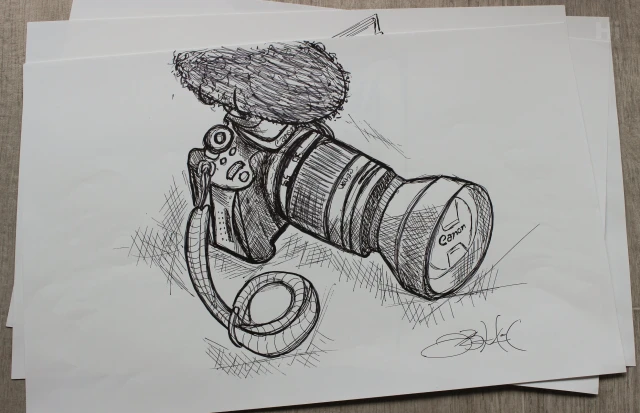
Finding something interesting to sketch can sometimes be harder than actually drawing it. Whether you are a beginner learning basic lines or an experienced artist looking for a fresh challenge, having a collection of drawing ideas can make creative practice easier. The best things to draw are not always complicated subjects. Everyday objects, plants, animals, faces, buildings, patterns, and imaginary scenes can all become engaging artwork when approached with curiosity.
Drawing also becomes more enjoyable when you choose subjects that match your current skill level. Simple shapes can help improve hand control, while detailed portraits or landscapes can develop observation and shading techniques. Instead of waiting for inspiration, keep a list of subjects you would like to explore and gradually work through them.
Simple Things to Draw When You Are a Beginner
Beginners can start with familiar objects because they are easy to observe and understand. A coffee mug, water bottle, pair of glasses, notebook, shoe, houseplant, or desk lamp can provide useful practice without requiring advanced artistic skills.
When selecting things to draw, focus on objects with clear shapes. A mug can be built from an oval and curved lines, while a book can be constructed from rectangles and perspective lines. This approach teaches you to break complex subjects into smaller forms.
Try drawing the same object from different angles. For example, sketch a cup from the front, above, and slightly from the side. This simple exercise develops spatial awareness and helps you understand how objects change visually depending on perspective.
Nature-Inspired Drawing Ideas
Nature provides almost endless inspiration for artists. Leaves, flowers, trees, mountains, clouds, rocks, shells, and insects offer different combinations of shapes, textures, and patterns.
Flowers are especially useful for practicing observation. Instead of drawing a generic flower, choose a real flower and examine how its petals overlap, where the shadows appear, and how the stem connects to the leaves. You can also create a botanical page containing several plant varieties.
For more challenging things to draw, try natural scenes. A quiet forest path, sunset over hills, a rainy window, or a small garden can introduce perspective and atmospheric depth. You do not need to reproduce every detail. Simplifying the scene into major shapes can often produce a stronger composition.
Fun Animal Drawing Projects
Animals are popular subjects because they combine recognizable forms with expressive details. Cats, dogs, rabbits, birds, foxes, elephants, horses, and fish can all be approached at different skill levels.
Start with the overall body shape before adding facial features or fur. For example, a bird can begin as an oval body with a smaller circular head and simple wing shapes. Once the proportions look right, add feathers and other details.
If realistic animals seem difficult, experiment with cartoon versions. Exaggerated ears, oversized eyes, simplified bodies, and expressive poses can turn a basic sketch into a distinctive character.
A useful exercise is to draw one animal in three styles: realistic, simplified, and cartoon. This encourages experimentation while helping you understand how artists transform real subjects into visual designs.
Everyday Objects That Make Great Sketches
You do not need special subjects to practice art. Your surroundings already contain many possibilities. Look around your bedroom, kitchen, workplace, or outdoor space and choose an object that catches your attention.
Some useful options include:
- Headphones, watches, cameras, and keyboards
- Cups, bottles, fruit, and kitchen utensils
- Shoes, bags, hats, and folded clothing
- Books, stationery, toys, and small decorations
These things to draw are valuable because you can study them directly instead of relying entirely on imagination. Observational drawing improves your ability to notice proportions, edges, highlights, and shadows.

Try arranging several objects together. A notebook beside a cup and a pair of glasses can become a simple still-life composition. Changing the light source can also make the same arrangement look completely different.
People, Faces, and Character Ideas
Drawing people can seem intimidating, but you can make the process manageable by starting with individual features. Practice eyes, noses, mouths, ears, hands, and hairstyles separately before attempting complete portraits.
Once you are comfortable with facial features, experiment with different expressions. Happiness, surprise, concentration, confusion, and sadness change the position of the eyebrows, eyes, and mouth. Capturing these subtle differences can make characters feel more believable.
For imaginative things to draw, create fictional characters with unusual combinations of clothing, hairstyles, accessories, and personalities. A traveler, scientist, musician, fantasy explorer, or futuristic engineer can become the foundation for an original character sheet.
Drawing Ideas Based on Difficulty
Choosing subjects according to difficulty can prevent frustration and help you see steady improvement.
| Skill Level | Drawing Ideas | Main Skill Practiced |
|---|---|---|
| Beginner | Leaves, cups, books, simple fruit | Lines and shapes |
| Beginner-Intermediate | Animals, shoes, plants, rooms | Proportion and shading |
| Intermediate | Faces, buildings, landscapes | Perspective and form |
| Advanced | Complex portraits, detailed scenes | Composition and realism |
| Creative Practice | Fantasy characters, imaginary worlds | Imagination and storytelling |
This progression allows you to move from basic observation toward more complex artwork. You can also return to easier subjects whenever you want to practice a particular technique.
Creative Doodles and Pattern-Based Art
Not every drawing session needs to produce a realistic picture. Doodling can be a relaxing way to explore shapes, repetition, and spontaneous ideas.
Try geometric patterns, stars, flowers, spirals, abstract faces, tiny houses, clouds, arrows, or miniature landscapes. Combine several motifs on one page and experiment with repetition.
Pattern drawing is particularly useful for improving consistency. Repeating circles, curves, lines, or decorative shapes teaches you to control pressure and movement. You can eventually combine these patterns into mandala-inspired artwork, decorative borders, notebook designs, or personalized illustrations.
Fantasy and Imagination-Based Subjects
Once you become comfortable drawing from observation, imagination opens another creative direction. Fantasy subjects allow you to combine familiar forms in unusual ways.
Consider drawing a floating island, magical library, underwater city, miniature planet, enchanted forest, robotic animal, or futuristic vehicle. These subjects do not have strict visual rules, which makes them excellent for creative experimentation.
One effective technique is to combine two unrelated objects. Imagine a house shaped like a mushroom, a train traveling through clouds, or a whale carrying a tiny village. Such combinations encourage visual storytelling and help you develop original concepts.
Seasonal and Themed Drawing Challenges
A theme can make it easier to decide what to sketch each day. Instead of asking yourself what to create from scratch, select a category and explore it for several drawings.
For example, a nature week could include a leaf, flower, bird, tree, mountain, river, and sunset. A household challenge might focus on furniture, kitchen objects, clothing, books, and technology.
Seasonal subjects are another useful source of inspiration. Rainy streets, autumn leaves, winter clothing, spring flowers, or summer beaches can introduce changes in texture, lighting, and atmosphere.
Creating a personal list of things to draw can also turn casual sketching into a consistent creative habit.
How to Make Your Drawings More Interesting
The subject is only one part of a successful drawing. Composition, lighting, perspective, texture, and contrast can completely change how an ordinary object appears.
Instead of placing every subject in the center, try shifting it toward one side of the page. Leave some empty space around the main object and use smaller details to guide the viewer’s attention.
Lighting is equally important. Draw the same object under bright light, soft light, and strong side lighting. Notice how shadows change its appearance.
You can also experiment with different materials. Pencil is excellent for soft shading, ink creates stronger outlines, colored pencils add controlled color, while charcoal can produce dramatic tonal effects.
A Simple Way to Practice Every Day
Regular practice is more useful than waiting for a perfect creative mood. You can create a small routine based on your available time.
Spend the first few minutes warming up with lines, circles, curves, and simple shapes. Then choose one subject and observe it carefully before drawing. Avoid erasing every imperfect line immediately because rough marks can help you understand proportion.
If you are searching for things to draw during a short break, choose a small subject rather than starting a complicated scene. A key, leaf, spoon, or simple face can be completed quickly while still providing useful practice.
Keep older sketches so you can compare them with newer work. Improvement is easier to recognize when you can see how your line quality, proportions, shading, and confidence have changed over time.
Conclusion
There is no single correct answer when choosing things to draw. The best subjects are those that encourage you to observe, experiment, and continue creating. Everyday objects can improve fundamental skills, while animals, people, landscapes, patterns, and fantasy scenes can expand your creative range.
The most important part of drawing is not finding a perfect subject. It is developing the habit of looking closely, making marks, learning from mistakes, and exploring new ideas. Keep experimenting with different things to draw, and your sketchbook can gradually become a record of both your creativity and artistic progress.