
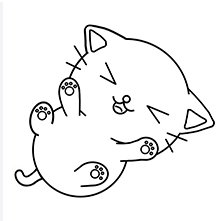
Introduction: Entering the World of Cute Sketching
Cute drawings have a special way of making people smile. They are simple, expressive, and full of charm without needing complex techniques or advanced artistic skills. Many beginners assume that creating adorable characters requires talent, but in reality, it is more about observation, practice, and understanding basic shapes.
When people first search for inspiration or guidance, they often feel overwhelmed by complicated tutorials. However, the truth is that cute art is one of the most beginner-friendly styles in drawing. It focuses on round shapes, soft expressions, and playful imagination rather than realism.
If you’ve ever felt unsure about where to begin, you are not alone. Many artists started with simple doodles that slowly turned into beautiful creative expressions. In fact, once you understand the basics, improving becomes natural and enjoyable.
The journey of learning how to draw cute things begins with shifting your mindset. Instead of aiming for perfection, you focus on emotion, simplicity, and fun. This approach makes drawing less stressful and more rewarding, especially for beginners who are just starting out.
As we move forward in this guide, you will learn how to break down complex ideas into easy steps, build confidence in your sketches, and develop your own unique artistic style.
Understanding the Foundation of Cute Drawing
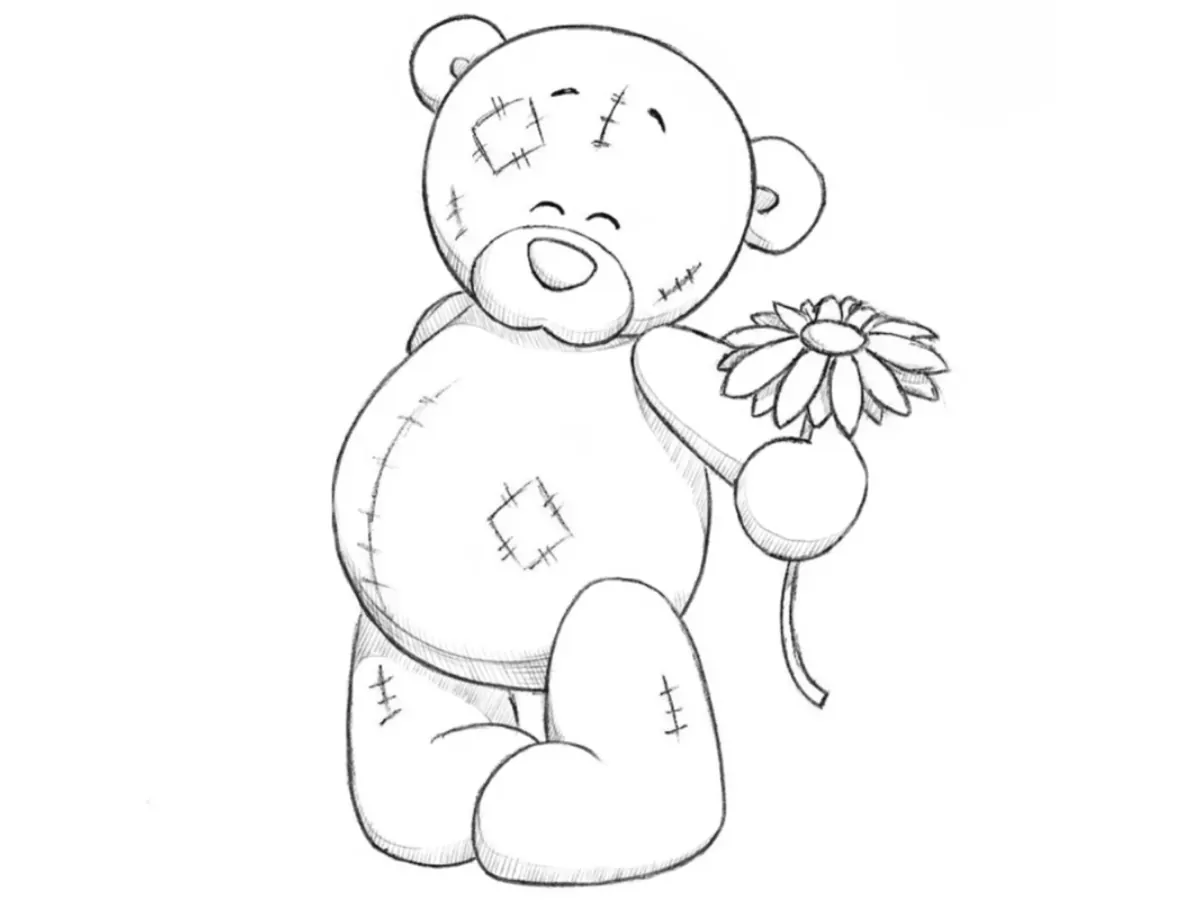
Cute art is built on simplicity. Instead of focusing on realistic details, artists simplify everything into soft and rounded forms. This creates a friendly and approachable visual style that instantly feels appealing.
One of the most important principles is proportion. In cute illustrations, the head is often larger than the body, and the eyes are exaggerated. This imbalance creates a sense of innocence and charm.
Another key factor is expression. Even a tiny change in a smile or eye shape can completely transform the mood of a drawing. Soft lines, minimal detail, and rounded edges all contribute to the overall aesthetic.
When learning how to draw cute things, it’s important to understand that less is more. Overcomplicating a sketch can reduce its charm, while simplicity enhances its emotional impact.
Think of cute drawing as storytelling through shapes. Each curve, line, and expression works together to create personality. Once you grasp this idea, your sketches will naturally start looking more adorable.
Essential Tools and Creative Setup
Before diving deeper into techniques, it helps to have a comfortable drawing setup. The good news is that you don’t need expensive tools to begin. Even basic materials can produce amazing results when used correctly.
A simple pencil, eraser, and sketchbook are more than enough for beginners. These tools allow flexibility and easy correction, which is important during practice. Fine-liner pens can be used later for outlining, while colored pencils add life to your drawings.
Digital tools like tablets are also popular, but they are not necessary in the beginning. Traditional sketching helps you build foundational skills without distractions.
A clean and quiet workspace can also improve focus. Many artists find that even a small corner with good lighting helps them concentrate better and enjoy the process more.
Understanding tools is part of learning how to draw cute things, but remember that tools only support your creativity—they don’t define it.
Step-by-Step Approach to Cute Sketching
Learning structure is essential for building confidence in drawing. Instead of jumping straight into details, it’s better to follow a gradual process.
Start with basic shapes like circles and ovals. These shapes form the foundation of most cute characters. Then, slowly build features like eyes, mouths, and small body parts.
Keep your lines light in the beginning so you can adjust easily. Once you are satisfied with the structure, darken the final outlines.
Expressions should be added after the structure is complete. A small smile or wide eyes can instantly bring life to your character. This is where personality starts to appear.
Finishing touches like blush marks, tiny accessories, or soft shading complete the drawing and make it more appealing.
When practicing how to draw cute things, patience plays a huge role. Rushing through steps often leads to messy results, while a slow and steady approach improves quality significantly.
Common Mistakes That Slow Down Progress
Many beginners struggle not because they lack talent, but because they make avoidable mistakes. One of the most common issues is over-detailing. Adding too many elements can make a drawing look cluttered instead of cute.
Another mistake is using harsh or sharp lines. Cute art relies on softness, so rounded edges are always better.
Some learners also focus too much on perfection. They erase and redraw repeatedly, which reduces confidence. Instead, it’s better to accept small imperfections as part of the learning process.
Understanding these mistakes helps improve your journey with how to draw cute things, making your progress smoother and more enjoyable.
Creative Ideas to Develop Your Style
Creativity plays a huge role in developing cute art. One fun way to improve is by turning everyday objects into characters. A simple cup, fruit, or cloud can become a playful personality with a face and expression.
Experimenting with emotions is another helpful technique. Drawing the same character in happy, sleepy, or surprised moods builds emotional understanding.
Below is a simple comparison table to help you understand different creative approaches:
| Style Idea | Description | Difficulty Level |
|---|---|---|
| Object Characters | Turning objects into cute faces | Easy |
| Animal Chibi Style | Simplified animal drawings | Medium |
| Emotion Practice | Same face with different moods | Easy |
| Fantasy Doodles | Magical cute characters | Medium |
Exploring these ideas helps you expand imagination and improves consistency in your drawings.
This creative exploration is an important step in mastering how to draw cute things because it builds originality and confidence.
Coloring and Styling for Extra Charm

Color brings life to any drawing. Soft pastel tones like pink, sky blue, lavender, and peach are commonly used in cute art because they feel gentle and calming.
Blending colors smoothly creates a soft appearance. Harsh transitions should be avoided as they can break the cute aesthetic.
Shading should be minimal and subtle. Instead of dark shadows, light gradients work better to maintain softness.
Adding small highlights in the eyes or cheeks can make characters look more lively and expressive.
Coloring is not just decoration—it enhances emotion and depth, making your sketches more appealing.
Advanced Techniques for Better Results
As you improve, you can start experimenting with more advanced techniques. One useful method is studying references and simplifying them into cute versions.
Another technique is consistency in character design. Creating a unique character style helps you build recognition and artistic identity.
You can also practice dynamic poses to make your characters feel more alive. Simple movements like jumping, waving, or sitting can add personality.
Understanding these advanced methods strengthens your ability in how to draw cute things, allowing your art to evolve naturally over time.
Practice Routine and Creative Growth
Regular practice is the key to improvement. Even short daily sessions can make a huge difference in your skills. Start with simple doodles and gradually increase complexity.
Try setting small challenges like drawing five different expressions in one sitting or creating a tiny character series.
Keeping practice light and enjoyable ensures long-term consistency. Over time, your hand becomes more confident, and your ideas become more creative.
This stage is where your journey with how to draw cute things becomes more natural and expressive.
FAQs About Cute Drawing
1. Do I need talent to draw cute characters?
No, cute drawing is based on simple shapes and practice, not talent.
2. How long does it take to improve?
With regular practice, noticeable improvement can happen within a few weeks.
3. Can I learn without professional tools?
Yes, even a pencil and paper are enough to begin.
4. Why do my drawings look different from others?
Every artist has a unique style, and differences are completely normal.
5. Is coloring necessary?
Not always, but coloring enhances charm and emotion in your sketches.
Cute art is not about drawing perfectly—it is about expressing emotion through simplicity, softness, and imagination.
Conclusion: Your Path to Becoming a Confident Cute Artist
Learning to draw adorable characters is a journey that combines creativity, patience, and consistent practice. The beauty of this art style lies in its simplicity and freedom. You don’t need advanced skills to start—just curiosity and a willingness to explore.
As you continue practicing, your sketches will naturally improve in quality and expression. You will begin to notice small details that make a big difference, such as proportions, facial expressions, and line softness.
Most importantly, enjoy the process. Every doodle you create brings you closer to developing your personal artistic style. Keep experimenting, stay consistent, and allow your imagination to guide you.
Over time, you will discover that drawing cute art is not just a skill—it becomes a relaxing and joyful habit that you can always return to.