

Introduction
Drawing is one of the most accessible and rewarding hobbies anyone can pick up. Whether you are a complete beginner or someone looking to unwind after a busy day, starting with simple things to draw makes the process enjoyable and stress-free. You do not need expensive supplies or years of experience—just a pencil, paper, and a willingness to try.
This guide covers everything you need to know about simple things to draw. You will find plenty of ideas, step-by-step instructions, helpful tips, and ways to improve quickly. By the end, you will have dozens of easy subjects ready to sketch and the confidence to keep creating.
Why Start with Simple Things to Draw?

Beginning with basic subjects helps build fundamental skills without overwhelming you. Simple drawings focus on basic shapes, lines, and proportions, which form the foundation for more complex artwork later.
- Builds confidence quickly: Completing a simple sketch in minutes gives a sense of accomplishment.
- Reduces anxiety: There is no pressure to create a masterpiece.
- Improves observation: You learn to notice details in everyday objects.
- Encourages creativity: Easy drawings leave room for personal touches and experimentation.
Many people discover that regular practice with simple things to draw leads to noticeable improvement within weeks.
Essential Materials for Beginners
You do not need a full art store to get started. Here are the basic supplies recommended for drawing simple things:
- Pencils: HB or 2B for general sketching, softer 4B–6B for shading.
- Paper: Plain sketchbook or printer paper works fine.
- Eraser: Kneaded eraser for gentle corrections, regular one for clean lines.
- Sharpener: Keep pencils ready for fine details.
- Optional extras: Colored pencils, fine liners, or markers for adding color later.
Keep your workspace well-lit and comfortable. Many artists start right at their kitchen table.
Easy Drawing Ideas: Categories of Simple Things to Draw
Here are popular categories filled with simple things to draw. Each includes specific examples perfect for beginners.
Everyday Objects
These items are all around you and great for practicing shapes and shading.
- Coffee mug
- Key
- Book
- Smartphone
- Houseplant in a pot
- Pair of glasses
- Sneakers
- Lamp
- Bicycle
- Chair
Step-by-step example: How to draw a simple coffee mug
- Draw a vertical oval for the top opening.
- Add curved sides down to form the body.
- Draw a C-shaped handle on the right.
- Add a small oval inside the top for the rim thickness.
- Shade the inside and add a highlight on the handle.
Cute Animals
Animals are endlessly charming and forgiving when drawn simply.
- Cat face
- Dog sitting
- Fish in a bowl
- Owl
- Penguin
- Butterfly
- Turtle
- Rabbit
- Bird on a branch
- Hedgehog
Quick tip for animals: Start with basic shapes—circles for heads, ovals for bodies—then add ears, eyes, and limbs.
Nature and Plants
Nature subjects teach organic shapes and textures.
- Tree with leaves
- Flower (daisy or rose)
- Mountain landscape
- Sun and clouds
- Leaf patterns
- Cactus
- Mushroom
- Seashell
- Simple wave
- Palm tree
Food Items
Food drawings are fun, colorful, and relatable.
- Apple or banana
- Slice of pizza
- Cupcake
- Ice cream cone
- Sushi roll
- Hamburger
- Bowl of strawberries
- Hot dog
- Donut
- Avocado
Fantasy and Fun Doodles
Let your imagination run free with these whimsical ideas.
- Cartoon star
- Smiley face variations
- Rocket ship
- Heart with wings
- Simple dragon
- Magic wand
- Crown
- Balloon
- Teddy bear
- Rain cloud with lightning
Step-by-Step Techniques for Better Drawings
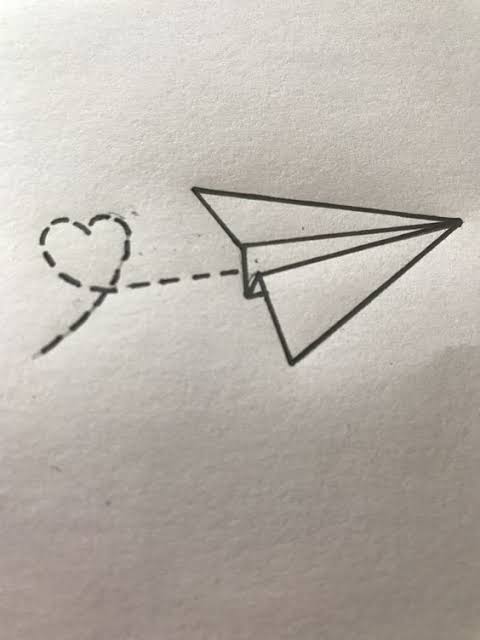
Mastering simple things to draw becomes easier when you follow basic techniques.
1. Start with Basic Shapes Break any object into circles, squares, triangles, and rectangles. A house becomes a square with a triangle roof. A cat is a circle head plus oval body.
2. Use Light Guidelines Draw very lightly first. This allows easy erasing as you refine the sketch.
3. Practice Proportions Compare sizes: Is the handle of the mug as tall as the body? Use your pencil as a measuring tool by holding it at arm’s length.
4. Add Shading for Realism Simple shading makes drawings pop.
- Identify light source.
- Shade darker on the opposite side.
- Leave white space for highlights.
- Use hatching, cross-hatching, or blending.
5. Experiment with Textures
- Fur: short quick strokes
- Wood: wavy lines
- Glass: smooth with reflections
- Leaves: veins with delicate lines
Daily Drawing Practice Routine
Consistency matters more than talent. Try this simple 15-minute routine:
- 5 minutes: Warm-up with basic shapes and lines.
- 5 minutes: Draw one simple object from life.
- 5 minutes: Add details or color.
Keep a dedicated sketchbook. Date each page to track progress over time.
Common Mistakes Beginners Make (and How to Avoid Them)

- Pressing too hard with the pencil → Use light strokes instead.
- Focusing only on outlines → Practice shading early.
- Comparing to others → Focus on your own improvement.
- Giving up after one bad sketch → Every artist has many “bad” drawings; they are part of learning.
Remember: even professional artists continue practicing simple things to draw regularly.
Adding Color to Your Simple Drawings
Once comfortable with pencil, try these coloring methods:
- Colored pencils: Layer colors for depth. Blend with a white pencil.
- Markers: Great for bold, clean looks.
- Watercolors: Perfect for soft nature scenes (use thicker paper).
- Digital apps: Many free programs let you color scanned drawings.
Benefits of Drawing Simple Things Regularly
- Stress relief: Drawing lowers cortisol and provides mindfulness.
- Improved focus: Concentrating on details trains attention.
- Enhanced creativity: Translating what you see into lines sparks new ideas.
- Better hand-eye coordination: Useful in many daily activities.
- Sense of accomplishment: Completing pages in your sketchbook feels great.
Many people who started with simple things to draw eventually moved on to more advanced subjects or even turned it into a side income through prints or custom illustrations.
Seasonal and Themed Drawing Ideas
Keep things fresh by tying drawings to seasons or events:
Spring: Flowers, baby animals, umbrellas Summer: Beach items, ice cream, sunglasses Autumn: Pumpkins, falling leaves, scarves Winter: Snowmen, hot cocoa, mittens Holidays: Christmas trees, hearts for Valentine’s, fireworks
Advanced Tips Once You Master Basics

After feeling confident with simple things to draw:
- Try drawing from different angles.
- Experiment with perspective (one-point is easiest for beginners).
- Draw the same object using different styles (realistic, cartoon, minimalist).
- Join online communities to share your work and get friendly feedback.
- Challenge yourself with daily prompts.
Conclusion
Exploring simple things to draw opens the door to a lifelong creative habit that is both fun and fulfilling. Start small, stay consistent, and celebrate every sketch. Whether you draw a quick coffee cup during your lunch break or spend an evening filling pages with cute animals and nature scenes, the joy comes from the process itself.
Grab your pencil and paper today. Pick any idea from this guide and give it a try. You might be surprised how quickly your skills grow and how relaxing the experience becomes. Happy drawing—your next favorite sketch is just a few lines away!