

Why Drawing Cool Subjects Matters
Picking engaging subjects makes practice enjoyable rather than a chore. Simple shapes build confidence, while complex scenes challenge your observation and technique. Drawing regularly sharpens hand-eye coordination, teaches proportions and shading, and provides a creative outlet that reduces stress.
Many artists start with everyday items around them. These familiar objects help train your eye without overwhelming pressure. As skills grow, you can tackle more imaginative prompts that let your unique style shine through.
Essential Materials for Getting Started
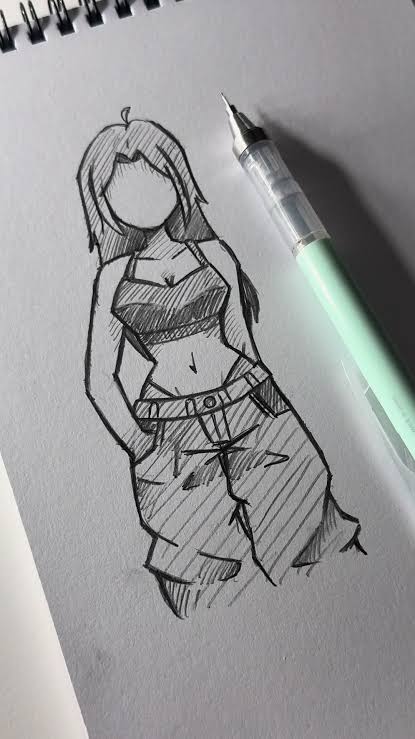
You do not need fancy supplies to begin. A basic sketchbook, pencils (HB for outlines, softer ones like 2B or 4B for shading), an eraser, and a sharpener work well. Experiment with pens, colored pencils, or markers as you progress. Good lighting and a comfortable spot make a big difference too.
Easy Cool Things to Draw for Beginners
Start small to build momentum. These approachable subjects use basic shapes and help you practice fundamentals like lines, curves, and simple shading.
- Coffee Mug or Teacup: Capture the cylindrical shape, handle curve, and steam wisps rising from the top. Add reflections or a cozy pattern on the mug for extra interest.
- Stack of Books: Draw varying heights and thicknesses. Focus on spine details and slight shadows between volumes.
- Your Keys or Sunglasses: Everyday carry items offer great texture practice, from metallic shines to fabric textures.
- A Single Leaf or Succulent: Study vein patterns and organic edges. Leaves teach symmetry and natural irregularity.
- Candle with Dripping Wax: Explore light and shadow as the flame flickers and wax melts.
These quick sketches take 5-15 minutes and fill pages rapidly. Set a timer and doodle without worrying about perfection.
Nature-Inspired Drawing Ideas
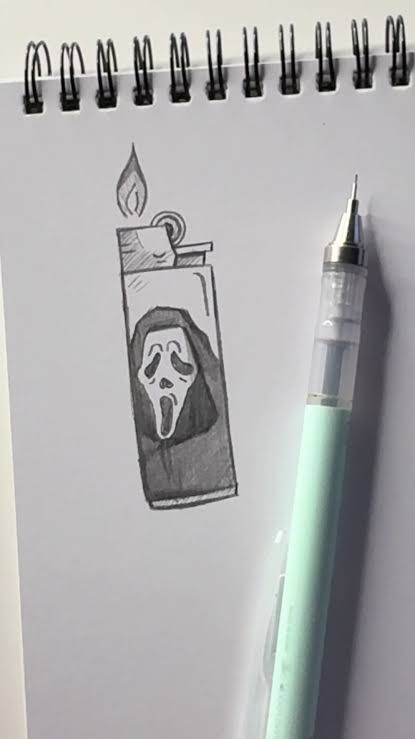
Nature provides endless variety and beauty. Outdoor scenes or indoor plants calm the mind while improving observation skills.
Popular Nature Subjects:
- Majestic mountains with layered peaks and atmospheric perspective.
- Flowing rivers or crashing ocean waves.
- A variety of trees, from delicate willows to sturdy oaks.
- Wildflowers or a detailed sunflower head.
- Clouds in different formations – fluffy cumulus or dramatic storm shapes.
- Seashells with intricate spirals and textures.
- A potted plant or vine climbing a wall.
Try drawing the same scene at different times of day to practice changing light. A simple tree from your window makes an excellent daily exercise.
Fun Animal Drawings to Try
Animals bring personality and movement to your pages. Begin with sleeping pets or still subjects before attempting action poses.
- Cute Cats or Dogs: Start with rounded bodies and expressive faces. Add whiskers and fur texture for realism.
- Birds on Branches: Capture feathers, beaks, and perching feet.
- Butterflies or Insects: Focus on wing patterns and delicate details.
- Fish or Underwater Scenes: Experiment with scales, fins, and bubbles.
- Fantasy Hybrids: Combine features, like a deer with underwater adaptations or a geometric fox made of shapes.
Observe real animals or use clear reference photos. Gesture drawing helps convey energy and life.
Fantasy and Imaginative Cool Things to Draw

Let your creativity run wild with these prompts. Fantasy subjects encourage original thinking and storytelling through visuals.
- Dragons or Mythical Creatures: Build bodies from basic shapes, then add scales, wings, and fiery breath.
- Floating Islands: Sketch landmasses suspended in clouds with waterfalls cascading off edges.
- Enchanted Portals or Doors: Design mysterious entrances leading to unknown worlds, complete with glowing runes.
- Robots or Mechanical Beings: Mix organic and geometric forms for futuristic characters.
- Dreamy Landscapes: Combine impossible elements like upside-down cities or gravity-defying staircases.
These ideas work well for larger compositions. Add personal twists to make them uniquely yours.
Food and Everyday Object Ideas
Food drawings feel approachable and satisfying. Textures like glossy icing or crispy edges provide excellent practice.
Tasty Subjects to Sketch:
- Layered cupcakes with sprinkles and frosting swirls.
- Fresh fruits like sliced lemons or juicy pomegranates.
- A steaming bowl of ramen or pizza slice with stretchy cheese.
- Ice cream cones melting in fun ways.
- Kawaii-style food with cheerful faces for a cute vibe.
Household items like lamps, chairs, or your desk setup also make strong still-life studies.
People and Portrait Drawing Prompts
Human figures add emotion and narrative. Start simple before full portraits.
- Hands in Different Poses: The classic exercise builds understanding of anatomy.
- Facial Expressions: Practice joy, surprise, or concentration.
- Cartoon Self-Portraits: Exaggerate features for a fun, stylized look.
- Historical or Fictional Characters: Draw your favorite heroes or figures from the past.
- Group Scenes: Friends chatting or a busy street crowd.
Use basic construction lines – circles for heads, cylinders for limbs – to maintain proportions.
Tips and Techniques for Better Drawings

Focus on construction first. Break complex subjects into simple geometric shapes like circles, rectangles, and triangles. Draw lightly so you can adjust easily.
Vary line weight: thicker lines for foreground elements, lighter for distant ones. Practice shading with hatching, cross-hatching, or blending to create depth and form. Study light sources and cast shadows for realism.
Experiment with perspectives – one-point for roads leading into the distance, two-point for buildings. Blind contour drawing (looking only at the subject) improves observation.
Keep a dedicated sketchbook for daily practice. Themes or challenges, like “one leaf a day,” maintain consistency. Join online communities to share work and gain feedback.
Benefits of Regular Drawing Practice
Beyond fun, drawing enhances problem-solving, patience, and attention to detail. It serves as mindfulness, helping you notice beauty in ordinary moments. Many artists report improved mood and reduced anxiety after consistent sessions.
Your style will naturally evolve. Early sketches may look rough, but each page contributes to growth. Celebrate small wins, like mastering a tricky texture or completing a full scene.
Advanced Cool Drawing Challenges
Once comfortable, try these:
- Surreal combinations: Objects that do not belong together, like a fish riding a bicycle.
- Architectural wonders: Detailed buildings or cityscapes.
- Abstract patterns and mandalas for meditative drawing.
- Seasonal scenes: Autumn leaves, winter wonderlands, or spring blooms.
- Storytelling sequences: Small comic panels showing a character’s adventure.
Mix media – add watercolor washes or ink outlines for dimension.
Filling Your Sketchbook with Purpose
Organize pages by theme or create spreads with related drawings. Add notes about what inspired you or techniques used. This turns your sketchbook into both a practice tool and personal art journal.
Remember, the goal is enjoyment. Some days you might produce quick doodles; others, polished pieces. Both matter.
Cool things to draw surround you everywhere – from the pattern on your curtains to imagined worlds beyond the stars. Grab your pencil and start exploring. Your next favorite drawing awaits on the blank page in front of you.