

Introduction
Looking for fun things to draw when you’re staring at a blank page? You’re not alone. Every artist, from complete beginners to experienced sketchers, has moments when inspiration feels just out of reach. The good news is that you don’t need advanced skills or expensive supplies to create adorable artwork that makes you smile.
Simple drawings are more than just a way to pass the time. They help improve hand control, build confidence, and train your eye to recognize shapes and proportions. Even spending fifteen minutes sketching each day can strengthen your creative habits while making drawing feel less intimidating.
This guide is packed with charming, beginner-friendly ideas that are easy to follow. You’ll discover practical techniques, creative exercises, and helpful tips that transform basic lines into delightful illustrations. Grab a pencil, find a comfortable spot, and let’s explore some of the cutest drawing ideas you can create one step at a time.
Why Simple Drawings Help You Improve Faster
Many beginners believe they should immediately attempt realistic portraits or detailed landscapes. In reality, starting with smaller, simpler subjects creates a stronger artistic foundation.
Cute illustrations usually rely on basic geometric shapes like circles, ovals, squares, and triangles. Once you learn to combine these shapes, you’ll notice that almost everything becomes easier to sketch.
Some of the biggest benefits include:
- Building muscle memory through repeated practice.
- Improving confidence with quick successes.
- Learning proportions without overwhelming details.
- Developing cleaner line control.
- Encouraging creativity through experimentation.
Instead of chasing perfection, focus on consistency. Every small drawing teaches a new lesson, whether it’s balance, symmetry, or perspective.
Cute Drawing Ideas by Difficulty
The table below provides inspiration based on your current experience level.
| Skill Level | Ideas to Practice | Main Focus |
|---|---|---|
| Beginner | Hearts, stars, mushrooms, clouds, flowers | Basic shapes |
| Easy Intermediate | Cats, puppies, birds, cupcakes | Facial expressions |
| Intermediate | Succulent plants, foxes, houses, bicycles | Details and texture |
| Advanced Beginner | Mini landscapes, fantasy creatures, cafés | Composition |
Choosing drawings that match your skill level prevents frustration while keeping each practice session enjoyable.
How to Break Any Drawing into Simple Steps

One secret professional artists use is simplifying every subject before adding details. Even complicated illustrations begin with rough guidelines.
Start with Basic Shapes
A bear starts as a circle.
A rabbit begins with two ovals.
A cupcake becomes a rectangle topped with a rounded dome.
Thinking this way removes much of the pressure because you’re no longer trying to draw the finished object immediately.
Add the Main Outline
Once your shapes look balanced, connect them using smooth lines. Don’t worry about making everything perfect. Light sketch lines are easy to adjust before darkening the final outline.
Finish with Personality
Small details make cute drawings memorable.
Consider adding:
- Tiny smiles
- Rosy cheeks
- Sparkling eyes
- Little bows
- Small accessories
- Fun patterns
These finishing touches instantly give even the simplest sketches charm.
Adorable Nature-Inspired Sketches
Nature offers endless inspiration for beginner artists because its shapes are organic and forgiving.
Flowers are an excellent starting point. Begin with a small circle, surround it with rounded petals, then add a stem and a pair of leaves. Once you’ve mastered one flower, experiment with daisies, tulips, sunflowers, or tiny wildflowers growing together.
Clouds are another favorite. Draw soft, fluffy curves instead of sharp edges, then personalize them with sleepy eyes or cheerful smiles. Add tiny raindrops, rainbows, or stars nearby for extra character.
If you’re searching for relaxing things to draw, nature-themed doodles are perfect because they allow endless creativity without requiring strict accuracy.
Cute Animals Anyone Can Draw
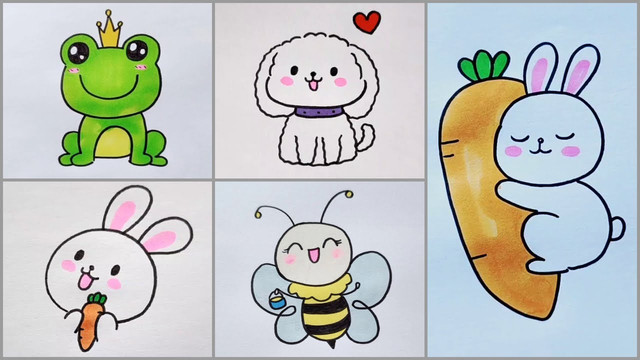
Animals are often the first subjects new artists want to try. Fortunately, many adorable creatures can be simplified into a handful of shapes.
Cats
Begin with a large circle for the head and two triangles for ears. Add oversized eyes, a tiny nose, and simple whiskers.
Dogs
Use rounded shapes rather than sharp angles. Floppy ears instantly make puppies look friendlier.
Bunnies
Long ears and oversized cheeks create a playful appearance. A tiny cotton tail completes the look.
Penguins
A smooth oval body, small wings, and a simple beak make penguins surprisingly easy to sketch.
Instead of aiming for realistic anatomy, exaggerate features slightly. Larger heads, smaller bodies, and expressive eyes naturally create a cuter style.
Food Drawings That Never Go Out of Style
Food illustrations are colorful, fun, and ideal for decorating journals, greeting cards, or study notes.
Some beginner-friendly choices include:
- Ice cream cones
- Donuts
- Bubble tea
- Watermelon slices
- Strawberries
- Pancakes
- Cookies
- Pizza slices
The secret is giving each item a face or playful expression. Suddenly, an ordinary donut becomes an entertaining character.
These tasty things to draw are especially popular because they combine recognizable shapes with endless opportunities for personalization.
Turn Everyday Objects into Cute Characters
One enjoyable drawing exercise is transforming ordinary household items into animated friends.
Imagine a smiling coffee mug wearing glasses.
Picture a happy pencil carrying a backpack.
Visualize a cheerful cactus waving from its flowerpot.
Even a simple alarm clock can become expressive with eyebrows, eyes, and tiny arms.
This approach strengthens creativity because you’re no longer copying what you see. Instead, you’re inventing personalities and stories through illustration.
Over time, you’ll naturally begin spotting drawing inspiration almost everywhere you look.
Simple Techniques That Make Drawings Look Better
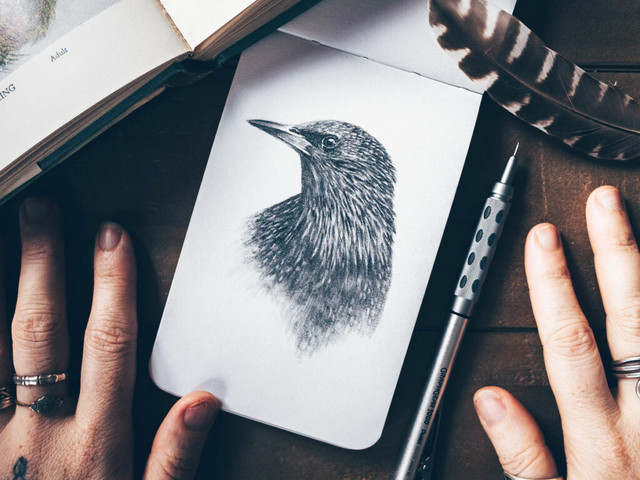
Improving your artwork doesn’t always require more detail. Sometimes the smallest adjustments produce the biggest results.
Keep Your Lines Light First
Professional artists rarely press hard during early sketches. Light lines allow corrections without leaving distracting marks.
Use Consistent Shapes
If you’re drawing several similar objects, keep their proportions consistent. Matching sizes create a cleaner overall appearance.
Leave White Space
Not every inch of the page needs to be filled. Empty space helps your drawings stand out and prevents clutter.
Practice Facial Expressions
Changing only the eyebrows or mouth can completely transform the mood of your illustration.
These small habits gradually improve every page you create.
Fun Drawing Challenges to Stay Motivated
Practicing becomes easier when you turn it into a game.
Try challenges like:
- Draw one cute object every morning.
- Fill one sketchbook page using only circles.
- Create thirty tiny doodles in thirty minutes.
- Design your own imaginary pet.
- Draw the same object in five different styles.
These activities encourage experimentation without worrying about perfection.
If you ever run out of things to draw, challenges provide instant inspiration while helping you build a daily creative routine.
Common Beginner Mistakes to Avoid
Everyone makes mistakes while learning. Recognizing them early speeds up improvement.
Avoid these habits:
- Pressing too hard with your pencil.
- Erasing every tiny imperfection.
- Comparing your progress with experienced artists.
- Skipping construction shapes.
- Trying overly complex subjects too soon.
Remember that every sketch teaches something valuable. Progress comes from repetition, not perfection.
Even professional illustrators filled countless sketchbooks before developing their signature style.
Build Your Own Personal Drawing Style
As your confidence grows, you’ll naturally notice certain features appearing repeatedly in your artwork.
Maybe you enjoy oversized eyes.
Perhaps rounded corners become your signature.
You might prefer pastel-inspired designs or simple monochrome doodles.
Rather than copying someone else’s style forever, use inspiration as a starting point. Experiment with proportions, expressions, clothing, accessories, and color combinations until your drawings begin reflecting your own personality.
Finding your style isn’t something that happens overnight. It’s the result of regular practice, curiosity, and the willingness to explore new ideas without fear of making mistakes.
Conclusion
Drawing doesn’t have to be complicated to be rewarding. Some of the most memorable illustrations begin with little more than a few circles, simple lines, and a spark of imagination. The more often you practice, the more naturally your confidence and creativity will grow.
Whether you’re sketching smiling animals, playful food, charming plants, or everyday objects with personality, there are endless things to draw that help you develop your skills while enjoying the creative process. Start with simple shapes, embrace imperfections, and challenge yourself to create something new every day. Before long, you’ll discover that every blank page is an opportunity to turn ordinary ideas into delightful works of art.