
Introduction
Drawing is one of the most accessible and rewarding creative activities anyone can try. Whether you are picking up a pencil for the first time or looking to relax after a busy day, starting with easy things to draw makes the process enjoyable and stress-free. You don’t need expensive supplies or years of training—just paper, a pencil, and a willingness to experiment.
Many people feel intimidated by drawing because they compare their work to professional artists. The truth is, everyone begins with simple lines and basic shapes. Focusing on easy subjects builds confidence, improves hand-eye coordination, and sparks creativity. In this comprehensive guide, you’ll find plenty of beginner-friendly ideas, practical tips, step-by-step instructions, and ways to keep progressing. Let’s dive in and discover how fun and approachable drawing can be.
Why Start with Easy Things to Draw?

Choosing simple subjects offers numerous benefits that go beyond just creating a picture:
- Builds Confidence Quickly: Completing a simple drawing gives an immediate sense of accomplishment.
- Develops Fundamental Skills: You practice lines, shapes, proportions, and shading without feeling overwhelmed.
- Reduces Stress: Drawing easy subjects is meditative and therapeutic, helping to calm the mind.
- Encourages Regular Practice: When projects feel achievable, you’re more likely to draw consistently.
- Sparks Creativity: Mastering basics opens the door to more complex ideas later.
Studies and artist experiences consistently show that regular doodling and sketching improve observation skills and overall artistic growth. Starting easy removes the pressure of perfection and turns drawing into play.
Essential Tips for Beginners
Before jumping into specific ideas, keep these beginner tips in mind:
- Gather Basic Supplies: Start with a sketchbook, HB or 2B pencils, an eraser, and a sharpener. Colored pencils or markers are optional for adding fun.
- Work in Good Lighting: Natural light helps you see details clearly.
- Use Reference Images: Look at real objects or simple photos rather than drawing from memory at first.
- Practice Loose Lines: Don’t worry about perfect straight lines—light, sketchy strokes are better for beginners.
- Take Breaks: Step back from your drawing to spot areas that need adjustment.
- Be Kind to Yourself: Every artist has “ugly” drawings. They are part of the learning process.
Easy Things to Draw: Categories and Ideas

Here are dozens of easy drawing subjects grouped by category. These ideas work well for both kids and adults.
1. Everyday Objects
Simple household items are perfect starters because they have clear shapes and you can draw them from life.
- Coffee mug
- Book (open or closed)
- Smartphone
- Keys on a keychain
- Pair of glasses
- Light bulb
- Potted plant
- Sneakers or shoes
- Backpack
- Umbrella
Step-by-Step Example: How to Draw a Coffee Mug
- Draw a tall oval for the top opening.
- Add a curved U-shape below for the body.
- Sketch a C-shaped handle on the side.
- Add a small oval inside the top for the coffee surface.
- Shade lightly and add a highlight on the handle.
2. Cute Animals
Animals are endlessly popular because they’re expressive and forgiving when simplified.
- Cat sitting
- Dog face
- Penguin
- Fish in water
- Butterfly
- Turtle
- Owl
- Bunny rabbit
- Koala
- Panda
Step-by-Step Example: Simple Cat
- Draw a large circle for the head.
- Add two triangles on top for ears.
- Place two dots for eyes and a small triangle nose.
- Draw a curved body below the head.
- Add whiskers, legs, and a tail. Finish with light fur lines.
3. Nature and Landscapes
Nature subjects encourage observation of basic shapes and textures.
- Tree with leaves
- Mountain range
- Sun rising over hills
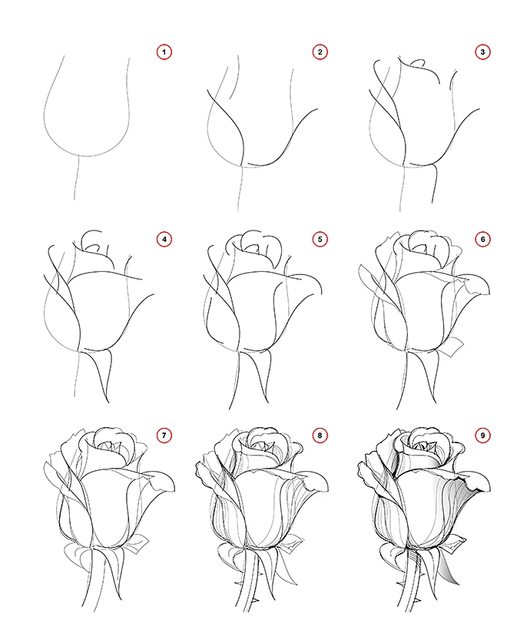
- Simple flower (daisy or rose)
- Cloud formations
- River or winding path
- Palm tree
- Cactus in desert
- Snowy landscape
- Falling leaves
4. Food and Treats
Food drawings are cheerful and great for practicing rounded shapes and shading.
- Ice cream cone
- Slice of pizza
- Hamburger
- Cupcake with frosting
- Banana or apple
- Bowl of fruit
- Sushi roll
- Cookie with chocolate chips
- Hot drink with steam
- Watermelon slice
5. Fun and Whimsical Ideas
These add personality and are especially popular with kids.
- Cartoon robot
- Smiley face variations
- Hot air balloon
- Rocket ship
- Star and moon
- Heart with patterns
- Rainbow
- Superhero emblem
- Mushroom house
- Cute monster
List of 30 More Easy Things to Draw:
- Bicycle
- House with chimney
- Sailboat
- Crown
- Guitar
- Balloons
- Teddy bear
- Sunflower
- Feather
- Candle
- Clock
- Envelope with letter
- Key
- Ladder
- Window with curtains
- Bridge
- Castle
- Flag
- Kite
- Lantern
- Mirror
- Notebook
- Orange (fruit)
- Pineapple
- Quilt pattern
- Ring
- Scissors
- Teapot
- Violin
- Windmill
Step-by-Step Drawing Techniques
Mastering a few core techniques helps turn simple sketches into polished drawings.
Shading Basics:
- Use hatching (parallel lines) for texture.
- Cross-hatching for darker areas.
- Stippling (dots) for soft shading.
- Blending with your finger or tissue for smooth gradients.
Proportion Tips:
- Use light construction lines to map out sizes before detailing.
- Compare parts: a head is often about 1/7 of total body height in humans, but simplify for cartoons.
Perspective for Beginners:
- Start with one-point perspective for roads or rooms.
- Practice overlapping shapes to create depth.
How to Practice Daily
Consistency matters more than talent. Try these practice methods:
- 5-Minute Doodles: Set a timer and draw anything that comes to mind.
- Theme Days: Monday = animals, Tuesday = food, etc.
- Copy and Modify: Draw from references then change one element (add a hat to a cat, for example).
- Sketch Walks: Carry a small notebook and draw things you see outside.
- Challenge Yourself: Try drawing the same object from different angles.
Many artists keep a “sketchbook habit” and notice dramatic improvement within just a few weeks of regular practice.
Adding Color and Finishing Touches
Once your pencil sketch looks good, bring it to life with color:
- Colored pencils for smooth blending.
- Markers for bold, vibrant looks.
- Watercolors for soft, artistic effects.
- Add shadows and highlights to make drawings pop.
- Experiment with patterns and textures (dots, stripes, zigzags).
Common Mistakes Beginners Make (and How to Fix Them)
- Pressing too hard with the pencil → Use light strokes and build darkness gradually.
- Focusing only on outlines → Add shading and details for dimension.
- Getting discouraged by early results → Remember that practice compounds quickly.
- Skipping warm-up doodles → Always start with loose lines.
Creative Ways to Use Your Drawings
Your easy drawings can become more than practice:
- Create greeting cards for family and friends.
- Decorate a personal journal or planner.
- Make digital scans and share on social media (with hashtags like #EasyDrawing or #BeginnerArt).
- Design custom stickers or phone wallpapers.
- Turn repeated motifs into patterns for fabric or wallpaper ideas.
- Gift framed simple artworks to loved ones.
Advanced Beginner Projects
After mastering basics, try these slightly more involved but still easy projects:
- A simple portrait of a pet using basic shapes.
- A cozy room interior.
- Seasonal scenes (autumn leaves, winter snowman).
- Character design (your own cartoon version of yourself).
- Illustrated recipe cards.
Conclusion
Drawing easy things is the perfect gateway into a lifelong creative hobby. From coffee mugs and smiling cats to dreamy landscapes and tasty treats, the possibilities are endless and always approachable. Remember that every skilled artist once struggled with basic shapes. The most important step is simply starting.