

Drawing does not have to begin with complicated portraits, detailed landscapes, or advanced anatomy. Some of the most enjoyable sketches start with simple shapes, familiar objects, and small creative ideas. If you are learning to draw, choosing easy things to draw can help you practice without feeling overwhelmed.
Simple drawing exercises also make it easier to understand basic artistic concepts such as proportion, shape, line quality, shading, and composition. Whether you use a pencil, colored pencils, markers, or a digital drawing app, there are countless subjects that can become quick sketches.
From cute animals and plants to food, household objects, nature scenes, and imaginative characters, beginner-friendly drawing ideas can keep your practice sessions interesting. The key is to choose subjects that match your current skill level while giving you enough room to experiment.
Why Simple Drawing Ideas Are Good for Beginners
Starting with uncomplicated subjects allows you to focus on individual skills instead of trying to manage everything at once. A basic flower, for example, can teach you about curves and symmetry, while a cup can help you understand proportions and perspective.
Many easy things to draw can be created using circles, rectangles, triangles, ovals, and curved lines. Learning to combine these basic shapes is one of the foundations of drawing. Once you understand how an object can be broken into simple forms, more complicated subjects become easier to approach.
Simple sketches are also useful for building consistency. Instead of spending several hours on one difficult illustration, you can complete several small drawings and identify which techniques need improvement.
Cute Objects You Can Sketch Quickly
Cute objects are a great starting point because they often rely on simple outlines and expressive details. You can transform an ordinary object into a charming character by adding eyes, a small mouth, arms, or tiny decorative elements.
Consider sketching a smiling mug, a tiny backpack, a sleeping cloud, a decorated pencil, or a small houseplant. These subjects can be drawn in just a few shapes and customized with different facial expressions or patterns.
Here are some beginner-friendly ideas:
- A smiling coffee cup
- A tiny house
- A simple camera
- A decorated notebook
- A pair of headphones
- A small umbrella
- A cute alarm clock
The goal is not perfect realism. Instead, focus on creating clean outlines and experimenting with personality.
Nature-Based Drawing Ideas
Nature provides an almost endless collection of subjects for sketching. Leaves, flowers, clouds, mountains, trees, stones, and simple landscapes can all be reduced to manageable shapes.
A leaf is particularly useful for beginners. Start with a central line and build the outline around it. Add a few smaller veins and experiment with light shading. Once comfortable, try different leaf shapes and arrangements.
Flowers are another excellent exercise. A simple daisy can begin with a circle surrounded by oval petals. You can gradually make the drawing more detailed by varying petal size, adding a stem, or placing several flowers together.
If you are searching for easy things to draw when you have only a few minutes, natural subjects are especially convenient because they do not require complicated preparation.
Animals That Are Easy to Sketch
Animals may appear difficult at first, but many can be simplified into basic forms. A cat, fish, bird, turtle, rabbit, or panda can be represented with circles and ovals before smaller features are added.
For example, a simple cartoon cat can start with a rounded head, two triangular ears, and an oval body. Adding whiskers, eyes, paws, and a tail creates a recognizable character without requiring realistic anatomy.
Birds can also be simplified effectively. A rounded body, small head, pointed beak, and curved wings are enough for a basic illustration. You can then experiment with different poses.
The following table can help you choose a subject according to the skill you want to practice:
| Drawing Subject | Main Skill | Suggested Tools | Difficulty |
|---|---|---|---|
| Leaf | Curved lines | Pencil | Beginner |
| Mug | Basic shapes | Pencil or marker | Beginner |
| Cat | Proportions | Pencil | Beginner |
| Flower | Symmetry | Colored pencils | Beginner |
| Apple | Shading | Graphite pencil | Beginner |
| Simple house | Perspective | Pencil and ruler | Beginner |
| Mountain scene | Composition | Pencil or digital tool | Beginner |
Food and Everyday Items
Everyday objects are useful because you can observe them directly. Look around your room or kitchen and select something with a simple silhouette. An apple, spoon, bottle, plate, book, candle, or pair of glasses can become a practical drawing exercise.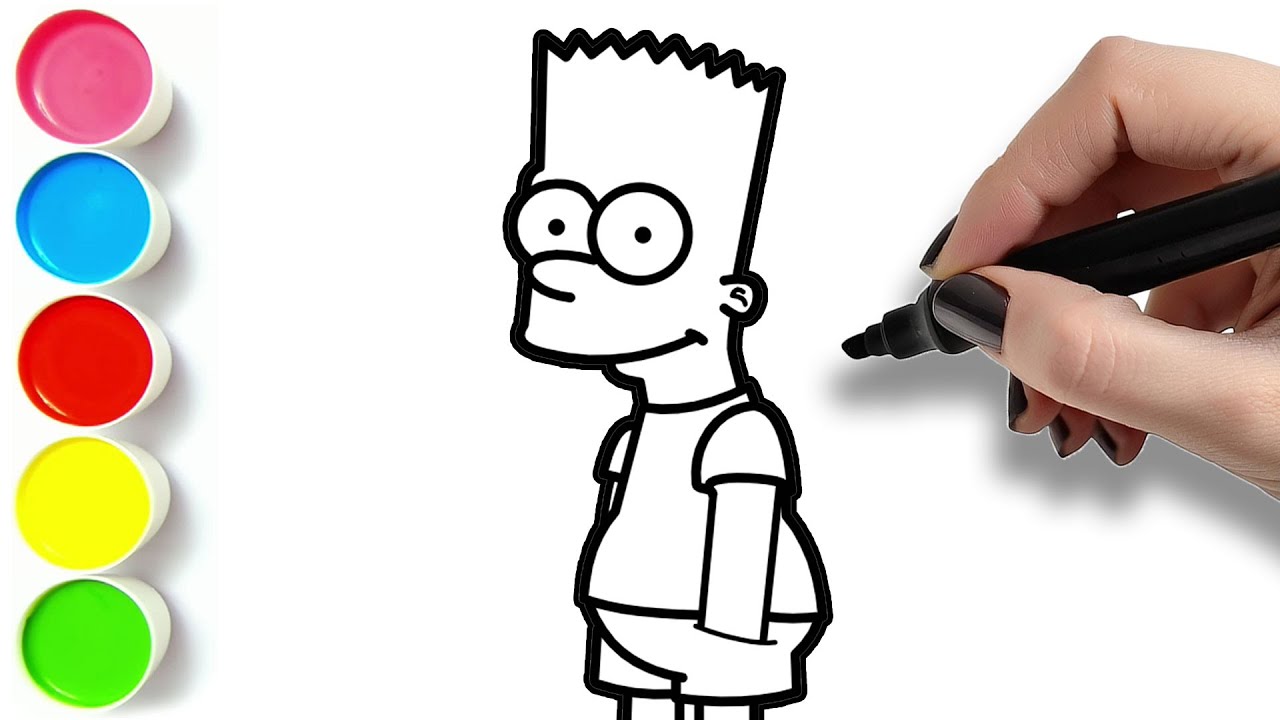
Food illustrations are especially fun because small details can make them visually appealing. Try drawing a slice of pizza, an ice cream cone, a cupcake, a strawberry, or a bowl of noodles.
When drawing an object, first identify its largest shapes. Do not immediately concentrate on tiny details. Sketch the overall outline lightly, check the proportions, and then add details after the structure looks correct.
This approach is useful when practicing easy things to draw because it teaches you to observe rather than simply copy symbols from memory.
Simple Doodles for Creative Practice
Doodling is another excellent way to develop drawing confidence. Unlike formal artwork, doodles do not need to follow strict rules. You can combine stars, hearts, flowers, arrows, clouds, faces, patterns, and geometric shapes into one page.
A doodle page can also become a visual journal. Start with a theme such as space, nature, school, travel, food, or your favorite hobbies. Fill the page with small illustrations connected to that subject.
Try creating repeating patterns as well. Draw rows of circles, leaves, stars, waves, or simple geometric shapes. Repetition improves hand control and helps you become more comfortable with consistent lines.
How to Make Simple Drawings Look Better
A basic drawing can become much more interesting with a few thoughtful improvements. The first is line variation. Some outlines can be darker or thicker than interior details, creating a clearer visual hierarchy.
Shading is another effective technique. You do not need advanced knowledge of light and shadow to begin. Choose a light source and make the areas facing away from it slightly darker.
You can also add texture. Short lines can suggest wood, fur, grass, fabric, or rough surfaces. Dots and small marks can create decorative effects.
Color is optional. If you use colored pencils or markers, begin with a limited palette rather than trying to use every color. A small selection can make the drawing look more cohesive.
Fun Drawing Prompts When You Run Out of Ideas
Creative blocks are normal, especially when you are practicing regularly. Instead of waiting for inspiration, use prompts to generate new subjects.
Some useful prompts include:
- Draw an object with a funny face.
- Combine two unrelated animals into one creature.
- Draw your favorite snack as a character.
- Sketch a tiny house inside a plant pot.
- Create a simple imaginary planet.
- Draw the same object from three angles.
These prompts turn easy things to draw into small creative challenges. They also encourage you to move beyond copying references and begin developing your own visual ideas.
A Simple Practice Routine
You do not need a long drawing session to improve. A short, consistent routine can be more useful than occasional hours of practice.
Start with five minutes of line and shape exercises. Draw straight lines, curves, circles, squares, and ovals. Spend the next ten minutes sketching one simple object. Then use another ten minutes to add shading, texture, or color.
At the end, look at your drawing without judging it too harshly. Identify one thing that worked and one thing you want to improve. The next session can focus on that particular skill.
Keep older sketches so you can compare them with newer work. Seeing gradual progress can make practice more motivating.
Choosing the Right Drawing Tools
You can begin with very basic supplies. A regular graphite pencil and a sheet of paper are enough for many beginner exercises. An eraser can help clean up construction lines, while a ruler can be useful for geometric objects and simple buildings.
If you prefer colorful artwork, colored pencils, crayons, or markers can add another dimension to your practice. Digital artists can use a tablet or drawing application, but the fundamental principles remain similar.
The best tool is usually the one that makes you want to keep practicing. Expensive equipment is not required to explore easy things to draw or develop fundamental artistic skills.
Turning Simple Sketches Into Finished Artwork
Once you become comfortable with basic subjects, combine several elements into one composition. Instead of drawing a single tree, create a small landscape with trees, clouds, hills, and a pathway.
You can also develop a character from a simple animal sketch. Give it clothing, accessories, a setting, and an expression. A basic object can become part of a still-life drawing when combined with other household items.
This gradual approach helps you move from individual exercises toward complete illustrations. It also teaches composition, spacing, visual balance, and storytelling.
Conclusion
Learning to draw becomes less intimidating when you begin with subjects that are manageable and enjoyable. Easy things to draw can include everyday objects, animals, plants, food, doodles, landscapes, and imaginative characters. Each simple sketch provides an opportunity to practice observation, proportions, line control, shading, texture, and creativity.
You do not need perfect results from the beginning. Focus on regular practice, experiment with different subjects, and allow yourself to make mistakes. As your confidence grows, simple drawings can gradually develop into more detailed and expressive artwork.