
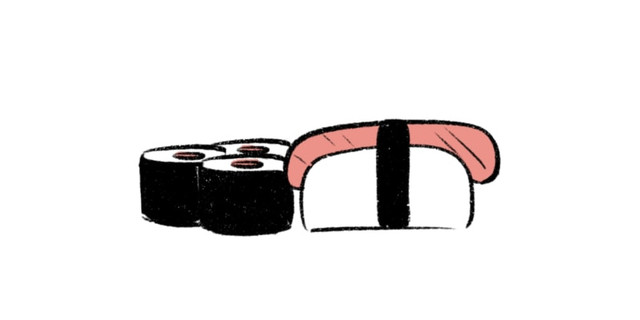
Small doodles can turn an ordinary sketchbook page into something cheerful, expressive, and personal. If you are looking for random cute things to draw, start with simple objects that can be transformed through tiny details: faces, accessories, rounded shapes, playful expressions, and miniature scenes. A pencil, black pen, colored pencils, or a digital drawing app is enough.
The appeal of cute doodling comes from making familiar subjects feel friendly. A cup can become a sleepy character, a cloud can wear a tiny crown, and a strawberry can carry a miniature backpack. The focus is less on perfect realism and more on shape, expression, and personality.
Why Simple Cute Doodles Are So Enjoyable
Cute drawings are often built from basic visual elements. Circles, ovals, soft curves, dots, and short lines can create most of the forms you need. Adding two eyes and a small mouth can instantly give an object personality.
When exploring random cute things to draw, avoid worrying about whether every sketch looks professional. Doodling works best when it feels experimental. You can draw the same object several times with different faces, poses, colors, or accessories. One idea can become a collection of characters.
Small drawings are quick to complete, making doodling useful during breaks or when creativity feels stuck.
Tiny Food Characters
Food is one of the easiest categories for cute doodles because many foods already have recognizable shapes. A cupcake, peach, cookie, bowl of noodles, or slice of toast can be simplified into a few curved lines.
Try giving each food item a different mood. A smiling dumpling could have tiny arms, while a shy strawberry might hide behind its leaves. You can create mini food groups, such as cookies having a conversation or tea beside a biscuit.
Add cheeks, sparkles, steam, bows, hats, or tiny shoes to give a simple food sketch personality.
Cute Animals With Simple Shapes
Animals provide endless inspiration because their features can be reduced to memorable shapes. Start with a round head, small ears, simple eyes, and a tiny nose. Cats, rabbits, bears, penguins, frogs, and hamsters are especially suitable for beginner-friendly doodles.
When making random cute things to draw, experiment with unusual animal poses. A sleeping cat curled around a pillow, a penguin holding a tiny flower, or a rabbit carrying a parcel can make a basic character more interesting.
Combine animals with objects, such as a bear inside a mug, a frog in rain boots, or a kitten in a flowerpot. The unexpected combination can become the central idea.
Everyday Objects With Personality
Ordinary objects can become charming when you treat them like characters. Think about items you see every day: a backpack, alarm clock, pencil, umbrella, camera, plant pot, notebook, or pair of headphones.
For example, an alarm clock might look exhausted after waking someone up, while a pencil could have a tiny backpack because it is ready for school. A houseplant can have a face and tiny hands reaching toward sunlight.
Look around your desk or room and choose one object. Ask what expression it would have if it were alive.
Miniature Nature-Inspired Doodles
Nature offers soft shapes that work beautifully in cute illustration. Clouds, stars, moons, mushrooms, flowers, leaves, raindrops, and little suns can all be simplified into friendly icons.
A small cloud with sleepy eyes can float above a tiny mountain. A mushroom can become a character with boots. A group of flowers can have different personalities based on their expressions. You can create a miniature garden scene inside a jar.
For random cute things to draw, nature-themed combinations are particularly useful because they allow you to mix subjects freely. Try a snail carrying a flower, a moon reading a book, or a tiny bee resting on a leaf.
Quick Ideas for Your Sketchbook
If you need a fast drawing prompt, choose a subject from one category and add one unexpected feature. This keeps the activity simple while preventing repetitive sketches.
- A sleepy cloud holding a cup
- A tiny ghost watering a plant
- A smiling pencil with a backpack
- A bear hiding inside a teacup
- A mushroom wearing rain boots
- A little planet surrounded by stars
Change the expression, pose, accessories, or setting to make each idea your own.
A Useful Guide to Matching Ideas With Skill Level
| Drawing idea | Main shapes | Difficulty | Easy detail to add |
|---|---|---|---|
| Cloud character | Curves and oval | Beginner | Sleepy face |
| Cupcake | Rounded base and triangle | Beginner | Sprinkles |
| Bunny | Circles and long ears | Beginner | Tiny bow |
| Mushroom | Dome and stem | Beginner | Boots |
| Cat | Ovals and triangles | Beginner | Tail pose |
| Mini plant | Pot and simple leaves | Easy | Happy face |
| Penguin | Oval and curves | Easy | Scarf |
| Tiny bedroom | Rectangles and lines | Intermediate | Posters |
Start with a beginner idea for a quick confidence boost, then move toward small scenes for more detail.
Turn One Doodle Into Several Ideas
A powerful way to practice is to create variations instead of constantly searching for new subjects. Draw one character and change only one element at a time. Give it a different hat, expression, pose, or accessory.
For example, a simple bunny can become a chef, gardener, student, traveler, or sleepy character. The basic body stays almost identical, but the story changes. It is useful character-design practice because small visual choices communicate personality.
When working on random cute things to draw, try making a page around one theme. A “rainy day” page could contain an umbrella, boots, cloud, puddle, frog, and hot drink. A “cozy desk” page might include stationery, a lamp, a notebook, a snack, and headphones.
Use Expressions to Make Drawings Feel Alive
Expression is one of the easiest ways to improve a cute doodle. You can keep the body extremely simple and focus on the face. Wide eyes can suggest excitement, closed eyes can create a peaceful mood, and a tiny curved mouth can make a character look content.
Try drawing the same character with several emotions: happy, surprised, sleepy, worried, excited, and embarrassed. This shows how small changes in the eyes and mouth affect the overall feeling.
You can also use body language. Raised arms, tilted heads, tiny feet, or a curved tail can communicate emotion without adding much detail.
Color and Texture Without Overcomplicating the Drawing
Color should support the drawing rather than hide its structure. Soft pastel shades, warm neutrals, or a limited palette can create a cohesive sketchbook page. If you prefer black-and-white doodles, use line weight, dots, hatching, or simple patterns instead.
Choose two or three main colors and repeat them across a page. This can make unrelated doodles look like part of the same collection. Highlights, blush marks, stars, and simple shadows can add depth without complicating the illustration.
Digital artists can apply the same principle with basic brushes and a small palette. Traditional artists can use colored pencils, markers, gel pens, or watercolor washes.
How to Keep Your Drawing Practice Fresh
Creativity becomes easier when you give yourself small challenges. Try drawing five objects with faces, combining an animal with a household object, or making a tiny scene using only circles and rectangles.
Another useful exercise is the “one-minute doodle.” Set a short limit and draw without erasing. Capture the idea quickly rather than aiming for a polished illustration.
Keep a list of subjects in your sketchbook, divided into food, animals, nature, objects, characters, and scenes. When you feel stuck, choose one item from two different categories and combine them.
Conclusion
Cute doodling does not require complicated techniques. Simple shapes, expressive faces, playful combinations, and small details can turn everyday subjects into memorable illustrations. The best random cute things to draw are often the ideas that make you curious enough to pick up a pencil and start.
Use food, animals, nature, household objects, and miniature scenes as starting points, then personalize them with expressions, accessories, colors, and tiny stories. Most importantly, let your sketches be imperfect. Practice will improve your control, creativity, and confidence while keeping drawing enjoyable.