
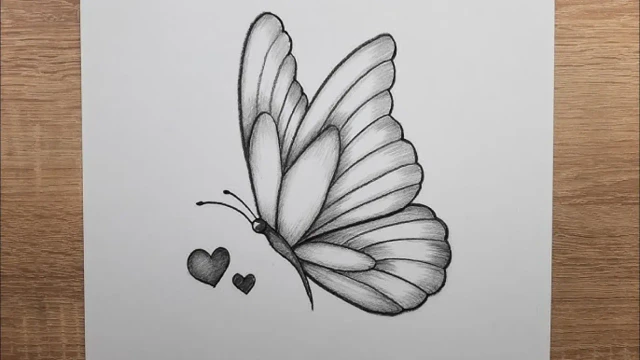
Finding something interesting to sketch can sometimes be harder than actually drawing it. When inspiration runs low, random cute things to draw can provide an easy way to begin without worrying about creating a complicated masterpiece. Small objects, expressive animals, tiny characters, and everyday items can all become charming illustrations with a few simple lines.
Cute drawings usually work because they focus on recognizable shapes and expressive details. A round face, oversized eyes, tiny hands, or a playful expression can instantly make an ordinary subject feel more appealing. This makes cute sketching particularly useful for beginners who want to practice drawing without becoming overwhelmed by technical details.
You can start with a pencil and notebook or use a digital drawing application. The goal is not perfection. Instead, focus on experimenting with shapes, expressions, proportions, and simple textures. A five-minute sketch can often lead to a more interesting idea for a larger illustration.
Random Cute Things to Draw When You Need Inspiration
There are countless subjects that can be transformed into cute illustrations. One useful approach is to choose an ordinary object and give it a personality. For example, a small coffee cup can have sleepy eyes, a smiling cloud can carry a tiny umbrella, or a backpack can be designed with little animal ears.
Here are some categories that can help you decide what to draw:
- Tiny animals such as kittens, puppies, ducks, rabbits, frogs, and hamsters
- Cute foods including cupcakes, strawberries, donuts, noodles, cookies, and ice cream
- Everyday objects such as headphones, cameras, books, mugs, lamps, and pencils
- Nature-inspired subjects like flowers, mushrooms, clouds, stars, moons, and leaves
- Mini characters wearing oversized clothes or funny accessories
- Fantasy subjects such as tiny dragons, magical creatures, fairies, and friendly monsters
Mixing two unrelated ideas can make the drawing even more creative. A cat inside a teacup, a frog riding a bicycle, or a sleepy cloud holding a moon-shaped pillow can turn a basic sketch into a memorable character.
Adorable Animal Sketches for Beginners
Animals are among the easiest subjects for practicing cute illustration because their basic forms are recognizable. You can simplify an animal into circles, ovals, triangles, and curved lines before adding details.
A beginner-friendly cat can start with a round head, two triangular ears, simple eyes, and a small mouth. Adding whiskers and tiny paws creates personality without requiring complicated anatomy. The same technique works for rabbits, bears, pandas, and puppies.
Try changing the proportions to create different moods. Large heads with small bodies often produce a playful appearance, while tiny eyes and relaxed expressions can make a character look calm or sleepy.
Another useful exercise is to draw the same animal in several poses. Sketch it sitting, sleeping, jumping, eating, and playing. This helps develop observational skills while keeping the practice enjoyable.
Cute Food and Dessert Drawings
Food provides endless opportunities for simple illustrations because many items already have appealing shapes. Cupcakes, fruit, candy, toast, pizza slices, and ice cream can be reduced to basic forms and then decorated with faces or accessories.
For example, a strawberry can be drawn as a rounded triangular shape with a leafy top. Add two eyes and a small smile, and you have a simple character. A slice of toast can become more expressive by adding tiny arms and legs.
When drawing food characters, toppings can also become creative details. Sprinkles, chocolate chips, whipped cream, fruit pieces, and colorful packaging give you opportunities to practice patterns and textures.
The key is to avoid adding too many details at first. Start with the silhouette, establish the expression, and then add small decorative elements.
Random Cute Things to Draw From Everyday Life
You do not need unusual subjects to create interesting artwork. Look around your room and choose an object you normally ignore. A desk lamp, water bottle, alarm clock, pair of glasses, plant pot, or computer mouse can become a fun character.
Give the object a face and imagine how it might behave. A sleepy alarm clock could have tired eyes and messy eyebrows. A tiny plant could have a cheerful expression and miniature shoes. Turning ordinary objects into characters is an effective way to develop visual storytelling.
You can also create small scenes instead of isolated objects. Draw a tiny bookshop inside a teacup, a miniature bedroom inside a suitcase, or a group of objects having a picnic. These concepts allow you to combine several simple drawings into one illustration.
How to Make Simple Drawings Look Cute
The appeal of a cute drawing often comes from proportion and expression rather than complicated technique. Several simple adjustments can make a significant difference.
Use rounded shapes: Soft curves generally create a friendlier appearance than sharp, rigid forms.
Keep facial features simple: Two dots and a small curved mouth can communicate happiness, surprise, sleepiness, or curiosity.
Experiment with proportions: Larger heads, smaller bodies, and oversized accessories are common features of cute character design.
Add small expressions: Raised eyebrows, closed eyes, blush marks, or tiny mouths can dramatically change the mood.
Use accessories: Hats, bows, scarves, glasses, backpacks, and miniature props help distinguish one character from another.
The most important principle is consistency. If the drawing style is intentionally simple, excessive detail can make the illustration feel visually unbalanced.
Drawing Ideas Based on Mood and Personality
Another way to generate random cute things to draw is to begin with a personality instead of an object. Think about an emotion such as happiness, shyness, excitement, boredom, or curiosity. Then choose a subject that represents it.
A sleepy bear holding a pillow could represent relaxation. A nervous rabbit hiding behind a flower could communicate shyness. A cheerful mushroom carrying a tiny bag could suggest adventure.
This method changes drawing from simple object creation into character development. You begin thinking about what the character is doing, where it is going, and how it feels.
Creating personalities also makes repeated sketches more interesting. Instead of drawing ten different animals with identical expressions, give each one a unique role or emotion.
A Useful Idea Table for Quick Sketching
If you want to practice regularly, combining a subject with an action or setting can prevent your ideas from becoming repetitive.
| Subject | Action | Extra Detail |
|---|---|---|
| Cat | Reading | Tiny glasses |
| Frog | Riding a bike | Small backpack |
| Duck | Drinking tea | Flower cup |
| Bear | Sleeping | Star-shaped pillow |
| Mushroom | Walking | Tiny umbrella |
| Rabbit | Gardening | Mini watering can |
| Cloud | Watching stars | Cozy blanket |
| Cupcake | Dancing | Party hat |
This approach is especially useful for sketchbook practice. Pick one item from each category and combine them. For example, a rabbit + gardening + watering can gives you a complete illustration concept without needing to search for inspiration.
Random Cute Things to Draw for a Sketchbook Challenge
A sketchbook challenge can make regular drawing easier because you do not have to decide what to create every day. Set aside a few minutes and choose one simple prompt.
You might create a seven-day challenge featuring animals, food, household objects, fantasy creatures, plants, characters, and miniature scenes. Another option is to select one theme for an entire month and explore it through different poses and situations.
Keep the drawings small if time is limited. Thumbnail-sized illustrations are excellent for experimenting with composition and character expressions. You can later develop your favorite sketches into larger artwork.
Do not erase every imperfect line. Some of the most useful lessons come from seeing where proportions, shapes, or expressions did not work. Your sketchbook should be a place for experimentation rather than a collection of perfect drawings.
Digital and Traditional Tools for Cute Sketching
You can create cute illustrations using almost any drawing setup. Traditional artists may prefer pencils, colored pencils, fine-tip pens, markers, or watercolor. Digital artists can use a tablet, stylus, and drawing application.
For beginners, a regular pencil is often enough. It allows you to experiment with shapes without worrying about expensive supplies. Once you become comfortable, you can introduce ink or color.
Digital tools offer additional flexibility because you can resize elements, undo mistakes, create layers, and test different colors. However, traditional drawing encourages you to work directly with the page and can help develop confidence in your linework.
The best tool is ultimately the one that makes you want to practice consistently.
How to Develop Your Own Cute Drawing Style
Studying different styles can help you understand what you like, but developing your own approach takes experimentation. Try changing the shape of eyes, ears, hands, bodies, and facial expressions until your characters begin to look consistent.
Pay attention to what naturally appears in your drawings. Perhaps you prefer tiny characters, exaggerated expressions, simple black-and-white sketches, or colorful cartoon illustrations. These recurring choices can gradually become part of your visual identity.
Avoid trying to copy every popular style. Inspiration is useful, but combining influences with your own ideas will produce more distinctive artwork.
Keep older sketches so you can compare them with newer work. Progress is easier to recognize when you can see how your proportions, expressions, line control, and composition have changed over time.
Conclusion
Random cute things to draw can turn an ordinary sketching session into an enjoyable creative exercise. From tiny animals and expressive food characters to personalized household objects and miniature fantasy scenes, there are almost unlimited possibilities.
The easiest way to improve is to keep the process simple: start with basic shapes, experiment with expressions, add personality, and gradually introduce details. Use everyday objects for inspiration, combine unrelated concepts, and maintain a sketchbook where imperfect ideas are welcome.
Whether you are completely new to drawing or already enjoy illustration, cute sketching provides a flexible way to practice creativity. With regular experimentation, simple doodles can develop into original characters, scenes, and a recognizable personal style.