
Finding something interesting to sketch can sometimes be harder than actually drawing it. Whether you are a beginner holding a pencil for the first time or an experienced artist looking for a fresh challenge, having a collection of ideas can make the creative process much easier. The best things to draw are not always complicated subjects. Simple objects, everyday scenes, plants, animals, faces, patterns, and imaginative concepts can all become engaging drawing projects.
Drawing is also a flexible creative activity because it does not require expensive equipment. A pencil and paper are enough to begin. As your confidence improves, you can experiment with colored pencils, markers, charcoal, ink, digital brushes, or watercolor. The important part is choosing a subject that matches your current ability while still giving you an opportunity to learn something new.
Easy Things to Draw for Beginners
Beginners often benefit from subjects with recognizable shapes and limited details. A coffee mug, leaf, apple, book, spoon, simple flower, or pair of glasses can be broken into circles, rectangles, curves, and lines. Practicing these objects helps develop hand control, proportion, observation, and confidence.
Instead of trying to create a perfect drawing immediately, focus on understanding the basic structure. For example, when drawing an apple, begin with its rounded outline before adding the stem, shadow, and small surface details. This approach makes complicated subjects feel much more manageable.
Simple doodles are another excellent starting point. Stars, clouds, hearts, smiley faces, geometric patterns, tiny houses, and cartoon expressions can be completed quickly. Short drawing sessions can gradually improve consistency without making practice feel like a difficult assignment.
Cute Drawing Ideas for a Relaxing Creative Session
Cute subjects are popular because they allow artists to use simple shapes and expressive details. Small animals, miniature food illustrations, smiling objects, cartoon plants, and tiny characters can all make enjoyable sketches.
A cat can be created using basic curves and triangular ears, while a small bear can start with a rounded head and simple body. Adding oversized eyes, tiny paws, or an expressive face can completely change the personality of the character.
You can also turn ordinary objects into characters. A cup can have eyes and a smile, while a pencil can become a tiny illustrated person. This type of character design encourages imagination while allowing beginners to work with familiar shapes.
Nature-Inspired Subjects to Sketch
Nature provides an almost endless supply of drawing inspiration. Leaves, flowers, trees, mountains, clouds, shells, stones, insects, and birds each offer different shapes and textures to study.
Leaves are particularly useful for practice because they contain simple outlines but also introduce veins, curves, and symmetry. Flowers can help artists explore repetition and overlapping petals. Trees provide an opportunity to practice branching structures, while mountains can teach basic perspective and atmospheric depth.
For a more detailed challenge, try drawing a small section of a natural scene rather than an entire landscape. Concentrating on one tree, a group of rocks, or flowers beside a window can make the composition easier to manage.
Animal Drawing Ideas for Different Skill Levels
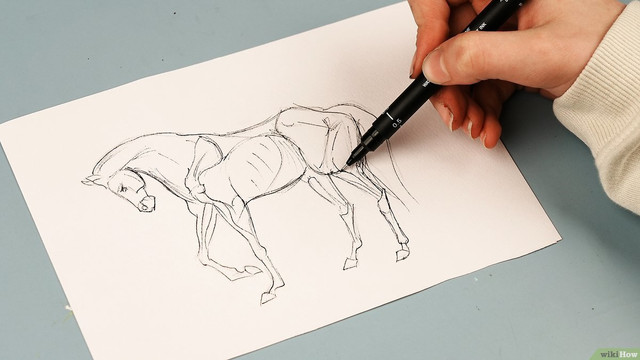
Animals are among the most versatile subjects for artists. A beginner can start with simplified cartoon animals, while more advanced artists can explore realistic anatomy, fur, feathers, and movement.
Dogs, cats, rabbits, pandas, birds, fish, butterflies, and turtles are approachable subjects because their major forms are easy to recognize. Begin with the head and body as simple shapes, then add legs, ears, tails, and facial features.
For a greater challenge, study an animal in different positions. Drawing the same animal sitting, standing, running, and sleeping helps develop an understanding of body structure. It also makes practice more interesting than repeatedly drawing one static pose.
Everyday Objects That Can Improve Drawing Skills
Everyday objects are excellent observational drawing subjects because they are readily available. Look around your room and choose something with an interesting shape or texture. A pair of headphones, a backpack, a desk lamp, a shoe, a plant pot, or a bottle can become a useful study.
The goal is not simply to copy an object. Pay attention to its proportions, angles, shadows, highlights, and relationship with nearby objects. A simple still life containing three objects can teach more about composition and perspective than a quick doodle.
Here is a simple guide for choosing subjects according to your drawing goal:
| Drawing Goal | Suitable Subject | Main Skill Practiced |
|---|---|---|
| Basic control | Leaves, cups, fruit | Lines and shapes |
| Shading | Balls, mugs, bottles | Light and shadow |
| Observation | Shoes, books, tools | Proportion |
| Creativity | Cartoon characters | Imagination |
| Nature practice | Flowers, trees, birds | Organic forms |
| Perspective | Rooms, buildings, streets | Depth and angles |
| Detail practice | Insects, shells, objects | Texture |
Creative Things to Draw When You Are Bored
When boredom strikes, choosing an unusual subject can make drawing feel like a game. Instead of sketching the same familiar objects, combine unrelated ideas. Imagine a house floating above the clouds, a tiny city inside a jar, or an astronaut exploring an underwater world.
You can also create drawing challenges. Pick a random object and redesign it as a futuristic invention. Draw an ordinary room from the viewpoint of a small insect. Turn a favorite food into a character. These exercises remove the pressure of producing a traditionally beautiful picture and encourage experimentation.
Another idea is to draw the same subject in several styles. A tree could be realistic, cartoon-like, geometric, minimalist, or fantasy-inspired. Comparing these versions can help you discover which artistic approach feels most natural.
Things to Draw When You Want to Practice Shading
Shading can transform a flat outline into a three-dimensional drawing. Start with objects that have clear surfaces, such as spheres, cubes, cylinders, and cones. These basic forms teach how light affects different parts of an object.
Once comfortable with simple forms, move toward household objects. A metal spoon, glass bottle, folded cloth, or ceramic cup can introduce reflections, soft shadows, and texture.
Pay attention to the direction of your imaginary light source. The side facing the light should generally be brighter, while the opposite side becomes darker. A cast shadow underneath the object can also help establish its position on the surface.
Fun Drawing Prompts for Kids and Families
Drawing can become a shared activity when prompts are simple and imaginative. Children can draw their dream bedroom, a favorite animal, an imaginary planet, a magical garden, or a character with unusual abilities.
Family drawing games can make the activity even more engaging. One person can describe an imaginary creature while another person draws it without seeing a reference. Another option is to start with random shapes and challenge everyone to turn those shapes into recognizable pictures.
These activities encourage creativity rather than perfection. They can also help young artists become comfortable making mistakes and trying new ideas.
How to Choose the Right Drawing Subject
The best things to draw depend on your purpose. If you want quick practice, select simple objects that can be completed within a few minutes. If you want to improve observation, choose something in front of you and study it carefully. If creativity is your priority, use imaginative prompts rather than references.
Consider rotating between different categories instead of practicing only one subject. For example, spend one session drawing objects, another working on animals, and another exploring landscapes. This variety develops multiple skills while preventing creative fatigue.
A useful practice method is to increase difficulty gradually:
- Start with basic outlines.
- Add simple internal details.
- Introduce light and shadow.
- Experiment with texture.
- Try different viewpoints or compositions.
This progression makes improvement easier to recognize.
How to Make Your Drawings More Interesting
A drawing can become more engaging through small changes in composition. Instead of placing every subject directly in the center, experiment with different positions. Add foreground and background elements to create depth.
Line variation can also improve a sketch. Thicker outlines can emphasize important areas, while lighter lines can suggest distance or subtle details. Similarly, leaving some areas unfinished can create visual contrast.
Color is another optional tool. You do not need to color every drawing. Sometimes a black-and-white sketch with carefully controlled shading can have more impact than a heavily colored picture. When using color, consider choosing a limited palette so the finished work remains visually balanced.
Build a Personal List of Drawing Ideas
Keeping your own collection of prompts can solve the problem of not knowing what to draw. Whenever you notice an interesting object, character, place, or concept, write it down. You can organize ideas into categories such as animals, nature, people, objects, fantasy, architecture, and abstract art.
Over time, this list becomes a personal source of inspiration. You can randomly select one idea whenever you have a few free minutes. You can also revisit older sketches to see how your technique has changed.
The purpose of collecting things to draw is not to create an endless checklist. It is to remove the pressure of inventing an idea every time you sit down with your sketchbook.
Conclusion
There are countless things to draw, from simple household objects and cute characters to detailed animals, natural landscapes, and imaginative worlds. The most useful subject is one that matches your current skill while giving you a small opportunity to improve.
Beginners can focus on shapes, lines, and proportions, while developing artists can explore shading, perspective, texture, anatomy, and composition. Most importantly, drawing should leave room for experimentation. You do not need every sketch to be perfect. Regular practice, curiosity, and a willingness to try unfamiliar subjects can gradually make drawing more enjoyable and rewarding.
Whether you have five minutes or an entire afternoon, choosing one subject and starting with simple shapes is often all it takes to turn a blank page into something creative.