

Why Draw on Your Hands? The Joy and Benefits

Doodling on skin feels freeing because mistakes wash away easily. It turns idle moments into opportunities for mindfulness and play. Research shows that simple doodling can improve focus and memory during conversations or lectures. People who doodle often recall more details than those who sit still.
Beyond concentration, it serves as a calming activity. The repetitive motions help lower stress and quiet racing thoughts, much like meditation. Many people find it boosts mood and sparks imagination without pressure to create a masterpiece.
For kids and teens, it encourages fine motor skills and self-expression. Adults use it as a quick creative outlet during busy days. It also works beautifully as a conversation starter—friends will notice your latest design and ask about it.
Safety First: Choosing the Right Tools
Always prioritize skin health. Opt for non-toxic, washable options designed for skin contact. Fine-point ballpoint pens work well for beginners, while washable markers or temporary tattoo pens provide better color and longevity.
- Recommended safe choices: BIC BodyMark markers, skin-safe Sharpie fine points (avoid King Size or those with strong solvents), or Crayola Ultra-Clean Washable Markers.
- Test on a small area first to check for irritation.
- Avoid permanent markers with harsh chemicals, especially near eyes or on broken skin.
- Remove designs gently with soap and water or rubbing alcohol. Moisturize afterward to keep skin happy.
Never draw on sensitive areas or if you have allergies. For longer-lasting art, consider natural henna paste, which can stay for up to two weeks.
Easy and Cute Things to Draw on Your Hand

Start simple. These beginner-friendly ideas take just a few minutes and look charming.
Cute Doodles:
- Smiling suns, moons, or stars
- Tiny hearts with faces
- Kawaii animals like puppies, kittens, or sleeping whales
- Flowers with petals and stems
- Ladybugs or butterflies
- Bubbles or balloons
A classic smiling sun with rays fits perfectly on the back of your hand. Add color with different pens for extra cheer.
Quick Patterns:
- Swirls and spirals
- Polka dots connected by lines
- Simple leaves or vines wrapping around a finger
- Geometric shapes like triangles and circles forming a mini mandala
These work great during class or while on calls. They remain subtle yet eye-catching.
Cool and Impressive Designs for More Advanced Fun
Once comfortable with basics, try these standout ideas that impress friends.
- Floral Flourishes: A central flower with swirling vines extending toward fingers. Inspired by henna, this flows naturally with hand contours.
- Celestial Themes: Crescent moons, stars, and shooting stars trailing across the wrist.
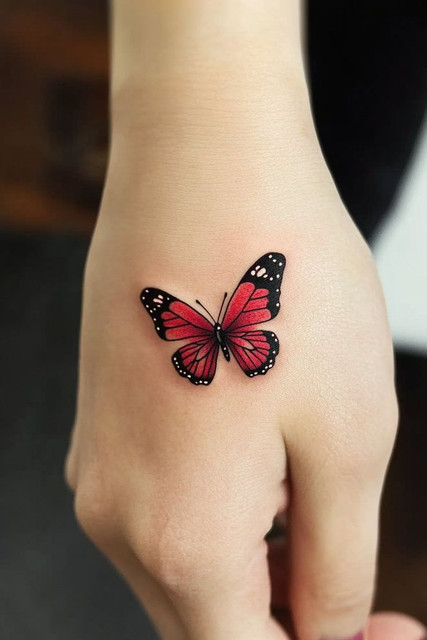
- Animals and Creatures: A perched bird, tiny dinosaur, or butterfly split across fingers for a flying effect.
- Symbolic Designs: All-seeing eye, peace signs, or motivational quotes in elegant script.
- Food Fun: Mini burgers, donuts, or ice cream cones for playful vibes.
- Abstract or Cyberpunk: Skeleton details mixed with geometric lines for an edgy look.
For finger-specific art, draw rings, tiny bracelets, or individual patterns on each digit. A single vine climbing one finger looks elegant and minimal.
Themed Ideas to Keep Things Fresh
Nature-Inspired:
- Trees with roots and leaves
- Ocean elements like seahorses, waves, or shells
- Cacti or succulents for desert charm
Seasonal and Holiday:
- Snowflakes and snowmen in winter
- Hearts and roses for Valentine’s
- Pumpkins or bats for Halloween
- Flowers and butterflies for spring
Personal and Meaningful:
- Initials or zodiac symbols
- Tiny landscapes or dream-inspired surreal scenes
- Gratitude doodles like hearts with words inside
In Class or Work-Friendly:
- Subtle stars, leaves, or abstract lines that won’t distract others
- Geometric patterns along the side of your hand
Step-by-Step Guidance for Popular Designs
Simple Flower:
- Draw a small circle in the palm center.
- Add overlapping petals around it.
- Include a stem and leaves extending toward the wrist.
- Add dots or shading for depth.
Butterfly:
- Sketch the body along a finger crease.
- Draw symmetrical wings on either side.
- Add patterns like dots or lines inside the wings.
Mandala on Palm:
- Start with a central dot or small circle.
- Build outward with concentric circles, petals, and dots.
- Fill spaces with small leaves or triangles.
Practice on paper first to build confidence. Use the natural lines and curves of your hand to guide placement—palms suit larger central designs, while fingers work for chains or bands.
Henna-Style Designs for Lasting Beauty
Henna offers a traditional, longer-lasting alternative. Popular motifs include flowers, paisleys, vines, and geometric patterns. Arabic styles feature bold lines and scattered elements, while mandalas bring symmetry and calm.
Simple henna starters:
- Single large flower with surrounding dots
- Wrist bracelet with repeating patterns
- Finger trails of leaves and swirls
Apply with a cone, let dry fully, and avoid water for best results. Designs can last 1-2 weeks with proper care.
Tips for Better Hand Art Every Time

- Placement matters: Back of hand for visibility, palm for private messages, sides for wrapping designs.
- Layering: Start light, add details, then color.
- Tools beyond pens: Colored pencils for subtle shading or body paints for special occasions.
- Removal and care: Gentle scrubbing works. Follow with lotion.
- Inspiration sources: Look at your surroundings—coffee cups, jewelry, nature—for fresh ideas.
- Group activity: Host doodle challenges with friends or family. Themes like “under the sea” or “space” spark creativity.
Experiment with symmetry, asymmetry, or turning fingers into characters (e.g., faces on fingertips).
Benefits Beyond the Doodle
This activity supports mental wellbeing in multiple ways. It activates brain areas linked to reward and focus while providing a low-pressure creative outlet. Students and professionals alike report better attention when incorporating small doodles.
It also builds drawing confidence transferable to paper or digital art. Over time, you notice improvements in proportion, line quality, and observation skills.
For parents, it becomes a bonding activity with kids. Teachers can use it as a quiet focus tool. Artists treat it as portable practice.
Common Questions and Troubleshooting
What if it smudges? Use quick-dry pens or set with a light powder. Will it stain? Washable options fade quickly; henna requires more commitment. Ideas for left-handers? Mirror designs or use your non-dominant hand for practice. Age-appropriate? Simpler shapes for young children; detailed work for older artists.
Final Encouragement: Make It Your Own
Your hands tell stories through lines, wrinkles, and now, art. Start small today—a single star or heart—and build from there. Keep a small notebook of favorite designs or take photos to track your growing collection.