
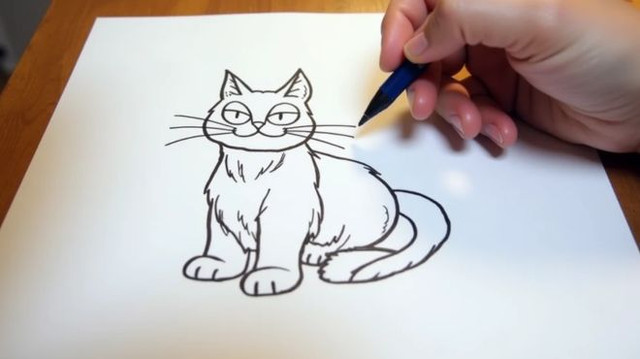
When boredom strikes, drawing is one of the easiest ways to turn a few quiet minutes into something creative. You do not need expensive art supplies, advanced skills, or a perfect idea to get started. A pencil, pen, sketchbook, or even a notes app can become enough space for experimentation. The best things to draw are often simple objects, playful doodles, everyday scenes, or imaginative designs that can be completed without pressure.
Drawing when bored can also help you practice observation and creativity. Instead of worrying about making a perfect picture, focus on enjoying the process. Start with basic shapes, add small details, and allow the sketch to develop naturally. Whether you prefer realistic drawings, cartoon art, cute illustrations, or abstract doodles, there are countless subjects you can explore.
Simple Everyday Objects to Sketch
Everyday objects are excellent subjects because they are easy to find and understand. Look around your room and choose something with an interesting shape. A coffee mug, pair of glasses, houseplant, backpack, headphones, lamp, or water bottle can become a quick drawing exercise.
Begin by identifying the object’s main outline. Avoid adding details immediately. Once the basic shape looks right, gradually include handles, buttons, shadows, patterns, or textures. This method makes ordinary objects more interesting while helping you improve proportion and observation skills.
Try drawing the same object from several angles. For example, sketch a cup from the front, then from above and slightly from the side. This small challenge can make a simple subject much more engaging.
Cute Doodles for Quick Creative Practice
If you want something relaxing, doodling is a great choice. Cute doodles do not require complicated anatomy or precise perspective. You can combine circles, lines, dots, and simple shapes to create expressive characters and objects.
Some fun ideas include tiny animals, smiling clouds, stars, flowers, snacks, planets, books, and miniature houses. Give each drawing a different expression or personality. A simple cookie can look sleepy, excited, surprised, or confused simply by changing its eyes and mouth.
Doodle art is particularly useful when you have only a few minutes. You can fill a page with unrelated drawings or create a themed collection. Try making a page devoted to tiny food illustrations, woodland animals, fantasy objects, or school supplies.
Nature-Inspired Drawing Ideas
Nature provides endless subjects for sketching. Leaves, flowers, trees, rocks, clouds, birds, and insects all offer different shapes and textures. You can draw something from memory or observe an actual object while sketching.
Leaves are especially useful for beginners because their structures can be simplified into basic forms. Draw the central vein first, then create the outer shape and smaller veins. Experiment with different leaf types to make your page feel like a small botanical collection.
Flowers also offer plenty of creative possibilities. Instead of copying a realistic flower, combine different petals and invent your own species. Add unusual colors, patterns, or shapes if you are working with colored pencils or digital tools.
Things to Draw From Your Imagination
Imagination-based sketching removes the pressure of copying something accurately. You can create places, characters, creatures, vehicles, or objects that do not exist in real life.
Imagine a tiny house inside a giant tree, a floating island above the clouds, or a futuristic bedroom filled with unusual gadgets. Fantasy drawing can begin with one simple idea and expand as you add details.
Another approach is to combine unrelated objects. What would happen if a fish had wings? What might a bicycle designed for the moon look like? How would a robot gardener work? These questions turn drawing into a visual storytelling exercise.
Easy Character Drawing Ideas
Characters are among the most enjoyable things to draw because small changes can create completely different personalities. You can begin with a simple head shape, add facial features, and experiment with hairstyles, clothing, and expressions.
Do not worry about creating a complicated full-body figure at first. Draw a character making different facial expressions instead. Try happiness, confusion, anger, surprise, boredom, excitement, and nervousness.
Once you are comfortable with faces, move toward simple body poses. A character sitting, walking, reading, dancing, or holding an object can make your sketches feel more alive. Adding clothing and accessories can also help establish a character’s personality.
Drawing Ideas Based on Your Mood
Your mood can provide an easy starting point when you cannot decide what to sketch. A calm mood might inspire clouds, landscapes, flowers, or peaceful rooms. An energetic mood could lead to dynamic characters, abstract shapes, or action scenes.
You can also create a visual mood page. Choose one feeling and represent it through lines, patterns, objects, and facial expressions. For example, a relaxed theme might use smooth shapes and simple scenery, while an energetic theme could feature sharp lines and busy compositions.
This approach makes sketching more personal because the drawing reflects your current thoughts without requiring a specific subject.
Quick Drawing Challenges to Beat Boredom
A small challenge can make drawing more exciting. Instead of deciding what to draw every time, create simple rules that force you to think differently.
| Drawing Challenge | Time | Skill You Practice |
|---|---|---|
| Draw one object without lifting your pencil | 5 minutes | Line control |
| Sketch a room from memory | 10 minutes | Observation |
| Create three cartoon faces | 5 minutes | Expression |
| Draw an imaginary animal | 10 minutes | Creativity |
| Sketch an object using only shapes | 5 minutes | Construction |
| Turn a random scribble into a picture | 10 minutes | Imagination |
Timed exercises are useful because they reduce overthinking. Give yourself five or ten minutes and stop when the timer ends. The goal is not perfection but experimentation.
Things to Draw With Basic Shapes
Many complicated drawings become easier when you break them into circles, squares, rectangles, triangles, and curved lines. A character’s head can start as a circle, while the body can be simplified into cylinders and boxes.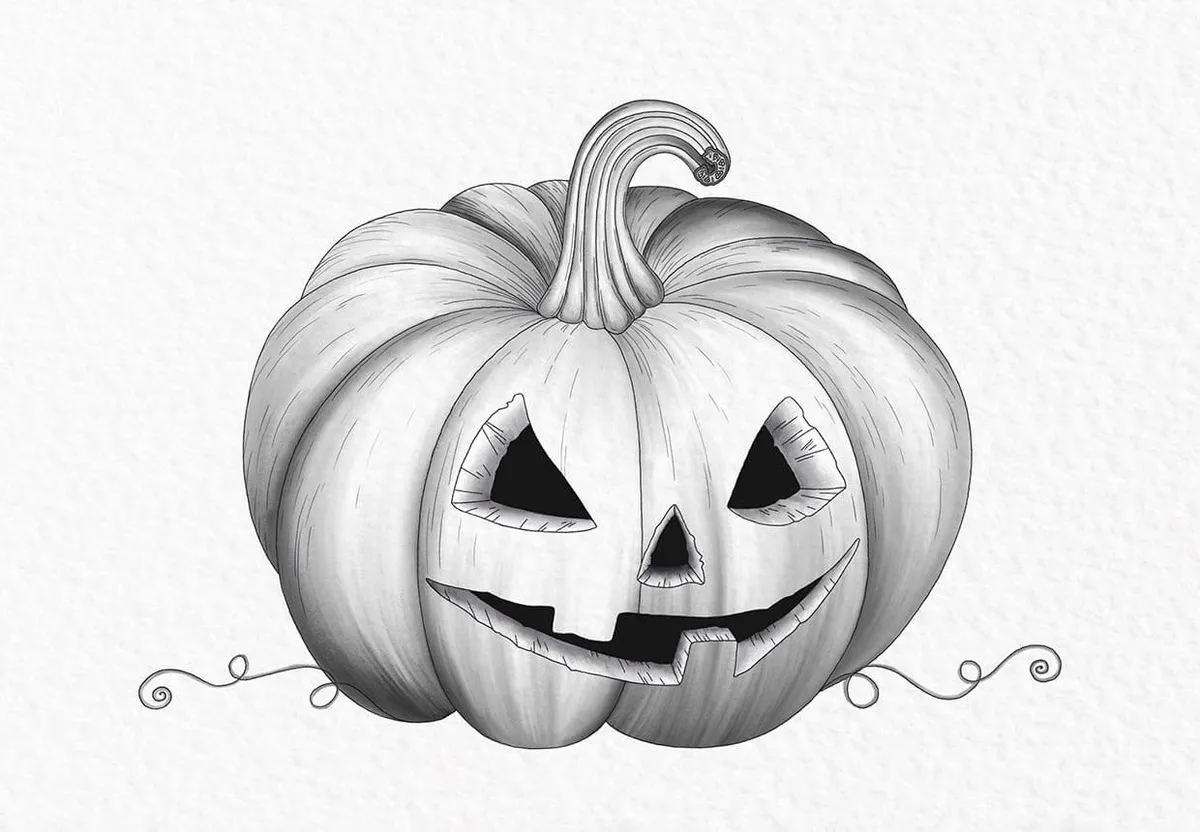
Practice constructing common subjects from shapes. A car can begin with rectangles and circles. A cat can be created from an oval head, triangular ears, and simple curved lines. A house can start with rectangles and a triangle for the roof.
This technique is useful because it teaches you to understand structure rather than simply copying outlines. Once the basic construction is correct, you can add details and shading.
Mini Scenes and Small Story Illustrations
Instead of drawing a single object, create a tiny scene. A small desk with a notebook, lamp, cup, and plant can tell a story without using any words. A rainy street with umbrellas and glowing windows can create a particular atmosphere.
Try imagining what happened before or after the scene. Perhaps a character just returned home, a traveler is waiting for a train, or someone left a mysterious package outside a door. These small details can turn a basic sketch into visual storytelling.
You can also create four small drawings that represent the beginning, middle, and end of a simple event. This is a fun way to combine drawing with storytelling skills.
Things to Draw When You Want to Improve
If boredom gives you time to practice, choose subjects that target a particular skill. Shading exercises can help you understand light and depth. Repeated patterns can improve line control. Objects viewed from different angles can strengthen perspective skills.
You can also practice textures. Draw wood, glass, metal, fabric, fur, or stone and compare how each surface looks. Start with simple marks and gradually build darker areas.
Keep your practice sessions short enough to remain enjoyable. Even a quick sketch can teach you something when you pay attention to what worked and what needs improvement.
Creative Ways to Make Sketching More Fun
Sometimes boredom comes from doing the same type of drawing repeatedly. Change your process to keep your creativity active. Use a pen instead of a pencil, draw with your non-dominant hand, or limit yourself to a few basic shapes.
You can also choose a random word and illustrate it. Another option is to close your eyes, make a few loose lines, and turn the resulting shape into an object or character. These exercises remove the expectation that every drawing must begin with a clear plan.
Try keeping a small sketchbook specifically for imperfect ideas. When the page is meant for experimentation, mistakes become part of the process rather than something to erase immediately.
Building a Personal List of Drawing Ideas
Creating your own list makes it easier to start drawing the next time boredom appears. Divide your list into categories such as people, animals, food, nature, objects, fantasy, architecture, and abstract designs.
Add subjects whenever inspiration appears. You might notice an interesting building during a walk, see an unusual cloud formation, or think of a funny character while watching a movie. Write the idea down instead of relying on memory.
A personal idea list also helps you recognize which subjects you enjoy most. Over time, it can become a useful source of prompts for daily sketching and creative practice.
Conclusion
There is no single right way to spend a boring afternoon with a sketchbook. The best things to draw can be extremely simple, from household objects and tiny doodles to imaginary creatures and miniature scenes. What matters most is starting without worrying about perfection.
Use everyday surroundings for observation practice, imagination for creative exploration, and short challenges when you need extra motivation. Experiment with shapes, expressions, textures, and storytelling to keep each session different. With regular practice, even casual sketches can gradually improve your confidence, creativity, and drawing skills.