
Drawing does not always require advanced artistic skills, expensive supplies, or years of practice. A pencil, eraser, paper, and a little imagination are enough to begin. For beginners, choosing easy things to draw can make practice more enjoyable while helping develop basic skills such as line control, proportion, shading, and observation.
Simple drawings can include everyday objects, cute characters, flowers, animals, food, landscapes, patterns, and small doodles. The goal is not to create a perfect picture immediately but to understand shapes and gradually become more comfortable with the drawing process. Starting with uncomplicated subjects also makes it easier to experiment with different styles and techniques.
Why Simple Drawing Ideas Are Good for Beginners
Beginners often make the mistake of starting with complicated portraits, realistic animals, or detailed scenery. These subjects can be rewarding, but they involve many skills at once. Simple subjects allow you to concentrate on one technique at a time.
For example, drawing a cup teaches you about basic curves and proportions, while sketching a leaf introduces organic shapes. A simple house can help with straight lines and perspective. Repeating these exercises builds confidence and makes more complex artwork feel manageable.
Another advantage is that simple sketches can be completed quickly. Finishing a small drawing gives you immediate feedback and encourages regular practice. Over time, several small sketches can become a useful personal sketchbook.
Simple Everyday Objects to Sketch
Everyday objects are among the most accessible easy things to draw because you can observe them directly. Instead of relying on imagination, place an object in front of you and study its shape before putting pencil to paper.
Start with objects such as a mug, spoon, book, bottle, key, pair of glasses, candle, clock, or simple plant pot. Look at the main outline first rather than worrying about tiny details.
A useful method is to break each object into geometric forms. A mug may begin with an oval and a curved rectangle. A bottle can be built from cylinders and simple curves. A book can be represented using rectangles and angled lines.
Once the outline looks correct, add light shading to show depth. This approach helps beginners understand how complicated objects can be constructed from simple shapes.
Cute and Fun Drawing Ideas
Cute illustrations are popular because they can be expressive without requiring realistic proportions. If you want playful easy things to draw, try creating simple faces, tiny animals, smiling food characters, clouds, stars, or miniature houses.
A basic character can start with a circle for the head, two small eyes, and a simple mouth. You can then add ears, hair, clothing, or accessories. Changing facial expressions can create an entirely different personality without changing the basic structure.
Food illustrations are another fun option. A slice of toast, cupcake, ice cream cone, strawberry, or bowl of noodles can be simplified into recognizable shapes. Adding tiny eyes and expressions can turn an ordinary object into a cartoon character.
These drawings are particularly useful for practicing clean outlines and visual storytelling.
Nature-Inspired Sketches for Practice
Nature provides countless subjects that can be simplified into manageable drawings. Leaves, flowers, mountains, clouds, trees, mushrooms, and small stones are excellent choices for beginners.
When drawing a flower, begin with the center and build the petals around it. Do not worry if every petal is identical. Natural objects usually contain small variations, which can make a sketch look more interesting.
Leaves are especially useful for practicing line quality. Draw the central vein first, then create the outer edges using gentle curves. Afterward, add smaller veins with lighter strokes.
For landscapes, keep the composition simple. A few hills, a sun, trees, and clouds can create an attractive scene without requiring complicated perspective.
Animals You Can Draw Using Basic Shapes
Animals may seem difficult at first, but many can be simplified into circles, ovals, triangles, and curved lines. This makes them excellent subjects when exploring easy things to draw.
A simple cat can begin with a round head, triangular ears, oval eyes, and curved whiskers. A fish can be made from an oval body and triangular fins. A bird can start with a rounded body, small head, pointed beak, and simple wings.
Try not to focus on realistic anatomy during the first attempts. Concentrate on recognizing the animal’s characteristic features. Once the basic form works, you can experiment with fur texture, feathers, shadows, and other details.
| Subject | Basic Shapes | Skill Practiced | Optional Detail |
|---|---|---|---|
| Cat | Circles and triangles | Proportion | Whiskers |
| Fish | Oval and triangles | Curves | Scales |
| Bird | Ovals and lines | Silhouette | Feathers |
| Flower | Circles and curved lines | Line control | Petal shading |
| House | Rectangles and triangles | Perspective | Windows and doors |
| Cup | Ovals and curved lines | Form | Highlights |
Doodles and Pattern-Based Drawing
Doodling is a relaxed way to practice creativity. You do not need to plan an entire composition before starting. Instead, fill a page with small shapes, symbols, patterns, and miniature illustrations.
Try spirals, waves, stars, hearts, leaves, geometric shapes, arrows, dots, and repeating lines. You can combine several of these elements into borders or decorative patterns.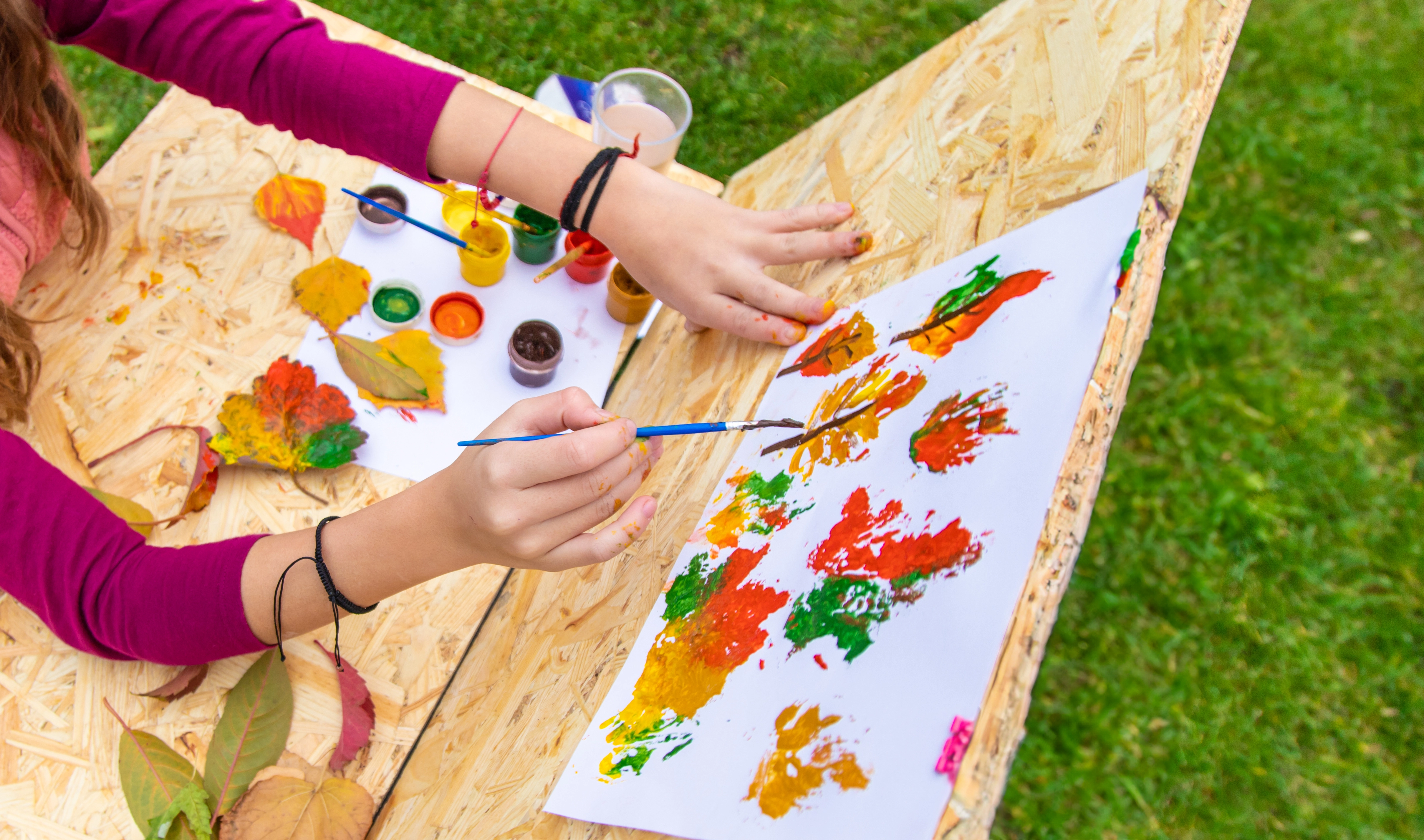
Pattern drawing also improves consistency. Repeating a shape teaches you how to control pressure and movement. You can gradually create more complex designs by combining circles, lines, and symmetrical forms.
If you are unsure what to sketch during a break, a small doodle page can provide a low-pressure way to keep your hands active.
Easy Food Drawings for Creative Practice
Food illustrations are another enjoyable category of easy things to draw. Their familiar shapes make them easy to recognize even when the artwork is highly simplified.
Start with foods that have distinctive outlines, such as apples, bananas, pizza slices, donuts, ice cream, watermelon, cookies, or sandwiches. Draw the overall silhouette first. Once the shape is recognizable, add toppings, textures, or small decorative details.
For example, a pizza slice can be represented by a triangle with a curved crust. A donut begins as two ovals, one surrounding the other. A banana can be created with two long curved lines and a small stem.
Using colored pencils or markers afterward can make these simple sketches more lively, but black-and-white pencil drawings can also look polished.
Small Scenes Instead of Single Objects
After practicing individual objects, combine them into a small scene. This is one of the best ways to turn easy things to draw into a more complete composition.
Imagine a desk with a notebook, cup, pencil, and small plant. Each object is simple individually, but together they create a story. You can also draw a bedroom corner, a tiny garden, a café table, or a simple street.
Start with the largest objects and then add smaller elements. Keep the first version light and simple. Once the arrangement looks balanced, strengthen the important outlines and add selective shading.
This method introduces composition without requiring a complicated illustration.
How to Make Simple Drawings Look Better
A basic drawing can become much more appealing through a few thoughtful improvements. The most important is line confidence. Try to make smooth strokes instead of repeatedly correcting the same line.
Use different levels of pressure with your pencil. Light pressure can create construction lines and subtle shadows, while firmer pressure can emphasize important edges.
You can also improve drawings by adding:
- Simple shadows beneath or beside objects
- Highlights on rounded surfaces
- Texture through short, controlled marks
- Background details that support the main subject
- Variation in line weight to create visual depth
Do not add details simply to fill empty space. Every extra mark should support the subject or composition.
A Simple Practice Routine for Beginners
If you want consistent improvement, choose several easy things to draw and practice them repeatedly rather than drawing one complicated subject once.
Spend a few minutes warming up with straight lines, curves, circles, and basic shapes. Then choose one object and sketch its outline. Make a second attempt while correcting the proportions you noticed in the first. Finish with a small drawing that combines two or three subjects.
Keeping older sketches is useful because it lets you see changes in your line control and confidence. Avoid comparing your first drawings with professional artwork. Instead, compare today’s work with your own earlier attempts.
Creative Challenges to Try
Once basic sketches become comfortable, introduce small challenges. Draw the same object from different angles, change its size, or create three versions using different styles.
You can also try drawing without an eraser for a few minutes. This encourages confident strokes and helps you accept small imperfections. Another exercise is to choose a random household object and reduce it to three or four basic shapes before adding details.
For a more creative challenge, combine unrelated subjects. A tiny house inside a teacup, a smiling cloud above a mountain, or a miniature garden inside a jar can turn simple drawing practice into imaginative artwork.
Conclusion
Learning to draw becomes easier when you begin with subjects that are simple enough to understand and enjoyable enough to practice repeatedly. Everyday objects, cute characters, animals, plants, food, patterns, and small scenes provide plenty of opportunities to develop fundamental artistic skills.
The best easy things to draw are not necessarily the simplest-looking pictures; they are subjects that help you practice one skill at a time. With regular sketching, careful observation, and gradual experimentation, basic shapes can develop into detailed and expressive artwork. Keep your expectations realistic, enjoy the process, and allow each drawing to become a small step toward greater confidence and creativity.