
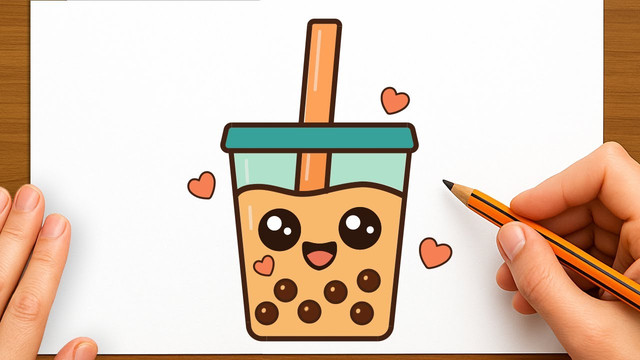
Small drawings are a great way to practice creativity without needing a large canvas, complicated supplies, or advanced artistic skills. Whether you are filling an empty notebook page, decorating a planner, creating a personal sketchbook, or simply looking for something relaxing to draw, simple doodles can be surprisingly enjoyable. The best small cute things to draw are usually made from basic shapes, expressive faces, tiny details, and playful combinations.
Cute drawing ideas can include animals, food, plants, stationery, household objects, characters, and imaginative creatures. Because these drawings are small, you can experiment with different styles without spending too much time on a single illustration. A circle can become a smiling sun, a few curved lines can create a tiny cat, and simple rectangles can turn into adorable books or gift boxes.
Why Small Cute Drawings Are So Easy to Enjoy
One reason small cute things to draw are popular is that they make drawing feel approachable. You do not need to create a detailed portrait or complicated landscape to make something visually appealing. Small illustrations allow you to focus on the basic elements of drawing, including shape, proportion, expression, and line control.
They are also useful for beginners who want to build confidence. Completing several tiny drawings can feel more rewarding than spending hours on one difficult picture. Over time, repeated practice helps improve hand coordination and teaches you how to simplify objects into recognizable forms.
Small doodles can also be used beyond personal sketches. You can add them to greeting cards, journal pages, study notes, digital designs, scrapbook layouts, calendars, and handmade gifts.
Cute Animal Ideas for Quick Sketches
Animals are among the easiest subjects to transform into charming mini illustrations. Start with simple silhouettes instead of trying to capture every realistic detail. A few distinctive features can make an animal immediately recognizable.
Try drawing a tiny bunny with long ears, a round hamster with small paws, or a sleepy cat curled into a ball. Other fun choices include penguins, frogs, pandas, foxes, bears, chicks, turtles, and tiny puppies.
For an extra cute effect, give the character a simple facial expression. Small oval eyes, curved eyebrows, rosy cheeks, or a tiny smile can completely change the personality of the drawing.
Some beginner-friendly animal concepts include:
- A sleeping cat inside a cup
- A round frog holding a flower
- A tiny penguin wearing a scarf
- A smiling bear holding a honey pot
- A bunny sitting beside a carrot
The goal is not realism. Instead, concentrate on clear shapes and expressive details.
Adorable Food and Drink Doodles
Food provides endless inspiration for small cute things to draw because many foods already have simple shapes. A cupcake, strawberry, cookie, ice cream cone, or slice of watermelon can be converted into a character with only a few lines.
Start with the basic food shape and then add a face. For example, a small circular cookie can have two dot eyes and a tiny smile. A cup of hot chocolate can have a sleepy expression, while a slice of toast can have little arms and legs.
You can also create miniature food collections. Draw several tiny snacks together, such as a donut, cupcake, milk carton, candy, and sandwich. Keeping similar line thickness and proportions makes the collection look cohesive.
Tiny Plants, Flowers, and Nature Sketches
Nature-inspired doodles are another excellent option when you want something calm and decorative. Small leaves, flowers, mushrooms, clouds, stars, and tiny planets can fill blank spaces around a larger drawing.
A simple flower can be created with a small circle surrounded by rounded petals. Add a curved stem and two leaves, then experiment with different facial expressions. Mushrooms can be given rounded caps and tiny stems, while miniature clouds can have smiling faces.
You can also combine several natural elements into one scene. For example, draw a small mushroom beneath a flower, place stars around a crescent moon, or create a tiny garden inside a flowerpot.
Cute Everyday Objects to Turn Into Characters
Everyday objects can become surprisingly expressive when you add simple character features. This approach is particularly useful for anyone searching for small cute things to draw without copying traditional subjects.
Consider turning pencils, notebooks, cameras, headphones, alarm clocks, backpacks, umbrellas, mugs, or lamps into tiny characters. A pencil can have a smiling face near its eraser, while a notebook can have little feet and a cheerful expression.
The trick is to preserve the recognizable shape of the object. Add only a few decorative elements instead of covering it with unnecessary details. This keeps the drawing clean and easy to reproduce.
Mini Character Ideas for Your Sketchbook
Creating original characters is another way to make small drawings more personal. You can begin with a round head, simple body, and minimal facial features. From there, experiment with clothing, hairstyles, accessories, and poses.
For example, you could create a tiny character wearing an oversized sweater, a miniature explorer with a backpack, or a sleepy character carrying a blanket. Even a basic figure can feel unique when it has a recognizable accessory.
Expressions are especially important in small character art. Try happy, surprised, sleepy, excited, confused, or shy faces. Changing the eyes and mouth can make the same character look completely different.
Simple Doodle Ideas for Journals and Planners
If you enjoy journaling, small cute things to draw can make ordinary pages more attractive without distracting from written content. Tiny icons are especially useful because they can represent different activities or moods.
For a planner, you might draw a miniature coffee cup for a morning routine, a book for reading time, a dumbbell for exercise, or a tiny house for home-related tasks. These symbols can make lists easier to scan while adding personality to the page.
You can also create seasonal doodles. Snowflakes, pumpkins, leaves, flowers, suns, umbrellas, and gift boxes can match different months or occasions.
How to Make Simple Drawings Look Cuter
Making a drawing cute does not require complicated techniques. Small changes in proportions and expressions can create a softer appearance.
One useful approach is to use rounded shapes. Rounded ears, large eyes, short limbs, and compact bodies often create a friendly visual style. You can also exaggerate one feature, such as oversized glasses, a large bow, or an unusually small hat.
Line quality matters as well. Smooth, confident outlines generally look cleaner than repeatedly tracing the same line. If you are using colored pencils or markers, choose a limited palette so the final illustration does not become visually crowded.
Another effective technique is adding tiny decorative details. Hearts, sparkles, dots, stars, blush marks, and little motion lines can make a simple sketch feel more lively.
A Useful Guide to Choosing What to Draw
When deciding among small cute things to draw, think about your purpose, skill level, and preferred style. The following table can help you select an idea quickly.
| Drawing Category | Easy Example | Useful For | Difficulty |
|---|---|---|---|
| Animals | Bunny or cat | Sketchbooks | Easy |
| Food | Cupcake or cookie | Doodles | Easy |
| Nature | Flower or mushroom | Journals | Easy |
| Objects | Mug or pencil | Planner pages | Easy |
| Characters | Tiny person | Creative practice | Moderate |
| Fantasy | Mini dragon | Character art | Moderate |
| Space | Planet or moon | Decorative pages | Easy |
This approach prevents you from choosing a subject that is too complicated for a quick drawing session. You can begin with an easy category and gradually introduce more details as your skills improve.
Creative Ways to Practice Mini Doodles
A good way to improve is to give yourself short drawing challenges. Instead of trying to create one perfect illustration, make several variations of the same subject.
For example, draw one cat sitting, another sleeping, and another playing with a ball. Then change the expressions or accessories. This teaches you how to maintain a recognizable character while experimenting with different poses.
You can also create themed pages. A breakfast page might include toast, cereal, fruit, and coffee. A garden page could contain flowers, leaves, butterflies, and watering cans. A study-themed page might feature books, pencils, glasses, and a desk lamp.
Another useful exercise is drawing from memory. Look at an object briefly, put it away, and try to recreate it using simple shapes. This improves visual observation and helps you understand which details are essential.
Tools That Work Well for Small Drawings
You do not need an expensive art setup to create attractive doodles. A regular pencil and eraser are enough for practicing shapes and expressions. Fine-tip pens can be useful for clean outlines, while colored pencils, brush pens, or markers can add gentle color.
For digital drawing, a basic drawing application and stylus can provide plenty of room for experimentation. The important factor is consistency rather than the price of the equipment.
If you are using markers, test them on your paper first. Some papers absorb ink quickly, which can make tiny details look blurry. Smooth sketching paper is often easier for precise miniature illustrations.
How to Develop Your Own Cute Drawing Style
Finding a personal style takes time, and copying different references during practice can help you discover what you enjoy. Pay attention to the features you naturally repeat. Perhaps you prefer large eyes, tiny bodies, rounded animals, simple expressions, or detailed accessories.
Once you notice these patterns, combine them into a consistent visual language. Your style might use thick outlines, minimal shading, soft colors, or exaggerated proportions.
The best small cute things to draw are not necessarily the most detailed. A simple illustration can become memorable when it has a clear personality and consistent design choices.
Final Tips for Better Mini Illustrations
Before finishing a drawing, step back and check whether the main shape is easy to recognize. If the picture feels crowded, remove a few unnecessary details. If it looks too plain, add one or two expressive elements rather than completely redesigning it.
Keep practicing different subjects, but do not worry about making every sketch perfect. Small drawings are ideal for experimentation because mistakes can become part of the learning process.
You can also keep a dedicated doodle page where you collect ideas whenever inspiration appears. Over time, this becomes a personal library of characters, objects, symbols, and patterns that you can reuse in future artwork.
Conclusion
Learning small cute things to draw is a simple and enjoyable way to build artistic confidence while creating useful decorative artwork. From tiny animals and food characters to plants, everyday objects, fantasy creatures, and miniature scenes, there are countless subjects that can be simplified into charming illustrations.
The key is to start with basic shapes, focus on recognizable features, and add personality through expressions and small details. Whether you are decorating a journal, practicing in a sketchbook, making handmade cards, or simply relaxing with a pencil, miniature doodles provide an easy way to keep creativity active. With regular practice, even simple shapes can develop into a recognizable personal style. Choose a subject you enjoy, keep the first version simple, and let each new drawing become an opportunity to experiment and improve.