
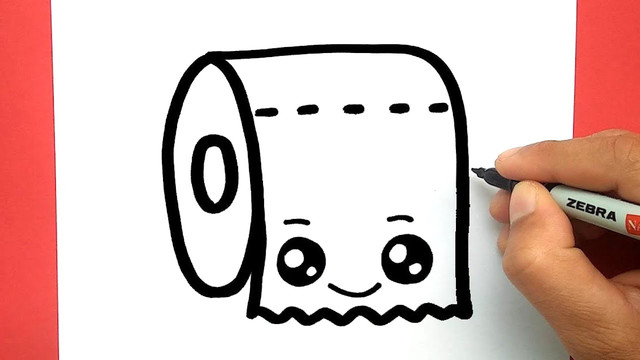
Drawing does not have to begin with complicated portraits, detailed landscapes, or advanced artwork. Simple subjects can be an excellent way to build confidence, improve hand control, and develop an understanding of shapes, lines, shading, and proportions. Whether you are picking up a pencil for the first time or simply looking for something relaxing to sketch, there are plenty of easy things to draw that can turn a blank page into an enjoyable creative project.
The best beginner drawings usually start with familiar objects. A cup, leaf, cloud, flower, book, or simple animal can be broken into basic shapes before details are added. This approach makes drawing feel less intimidating and gives you an opportunity to practice without worrying about creating a perfect picture.
Why Simple Drawing Ideas Are Great for Beginners
Starting with simple subjects allows you to concentrate on individual drawing skills rather than trying to manage everything at once. For example, a basic fruit sketch can teach you about curves and proportions, while a small house can introduce straight lines, perspective, and geometric shapes.
Easy things to draw can also help reduce the pressure many beginners feel when learning art. There is no need to create a masterpiece during every practice session. Repeating simple sketches can gradually improve your confidence, observation, and ability to translate real objects into visual forms.
Another benefit is flexibility. You can sketch with a pencil, pen, colored pencils, markers, charcoal, or a digital drawing application. The same basic subject can be recreated in different styles, making it useful for both traditional and digital artists.
Simple Nature Subjects to Sketch
Nature provides an almost endless collection of beginner-friendly subjects. Leaves, flowers, clouds, mountains, trees, and small stones have recognizable forms that can be simplified without losing their identity.
A leaf is particularly useful because you can begin with one curved line for the central vein and add an outline around it. Once the basic shape is complete, small lines can suggest texture. Flowers can be approached in a similar way by starting with a circle and arranging simple petals around it.
If you want a slightly more challenging exercise, try drawing a small landscape. Combine a few mountains, a sun, clouds, grass, and a tree. You can experiment with overlapping shapes to create depth without needing advanced perspective techniques.
Everyday Objects That Make Good Drawing Practice
Look around your room and you will find numerous subjects suitable for sketching. Everyday objects are especially useful because you can observe them directly rather than relying on a reference from memory.
A coffee mug, pair of glasses, headphones, pencil, lamp, backpack, shoe, or notebook can become a quick drawing exercise. Start by identifying the main geometric forms. A mug may begin as an oval and two curved sides, while a book can be represented using rectangles and parallel lines.
When practicing easy things to draw, everyday objects are valuable because they teach you how light affects familiar surfaces. Try drawing the same object in different lighting conditions and observe how the shadow changes its appearance.
| Drawing Subject | Main Skill Practiced | Suggested Difficulty |
|---|---|---|
| Leaf | Curves and texture | Beginner |
| Mug | Ellipses and shading | Beginner |
| House | Geometric shapes | Beginner |
| Cat face | Proportions | Beginner |
| Tree | Organic shapes | Beginner |
| Shoe | Contours and details | Easy |
| Simple landscape | Composition | Easy |
| Eye | Observation and shading | Easy |
Cute Ideas for Fun and Relaxing Sketches
Cute drawings are popular because they allow artists to simplify shapes and exaggerate certain features. You do not need advanced anatomy to create an appealing character. A round head, small body, simple eyes, and a few expressive details can be enough.
Try sketching a tiny bear, smiling cloud, sleepy cat, little mushroom, cartoon plant, or friendly ghost. You can also create miniature versions of ordinary objects by giving them faces and expressions.
These types of easy things to draw are particularly useful for practicing facial expressions. Change the position of the eyebrows, eyes, and mouth to make the same character look happy, surprised, sleepy, or confused. This simple exercise introduces the basics of visual storytelling.
Easy Animals to Practice Drawing
Animals can appear difficult because of their anatomy, but beginners can simplify them into basic forms. A turtle can start with an oval shell and four small legs. A fish can be built from a curved body and triangular tail. A bird can begin with an oval body, circular head, and pointed beak.
Cats and dogs can also be simplified into basic shapes before adding recognizable features. Focus on the overall silhouette instead of trying to capture every strand of fur.
Once you become comfortable with simple animal sketches, experiment with different poses. A sitting animal, sleeping animal, or animal looking sideways can teach you more about body positioning and movement.
Creative Food and Kitchen Sketches
Food is another excellent category for beginner artists. Fruits and snacks often have simple silhouettes, making them approachable subjects. Apples, bananas, strawberries, cupcakes, ice cream cones, pizzas, and donuts can all be reduced to basic shapes.
Food drawings are also ideal for experimenting with color. A simple fruit sketch can become more dimensional when you add a highlight, darker edge, and soft shadow.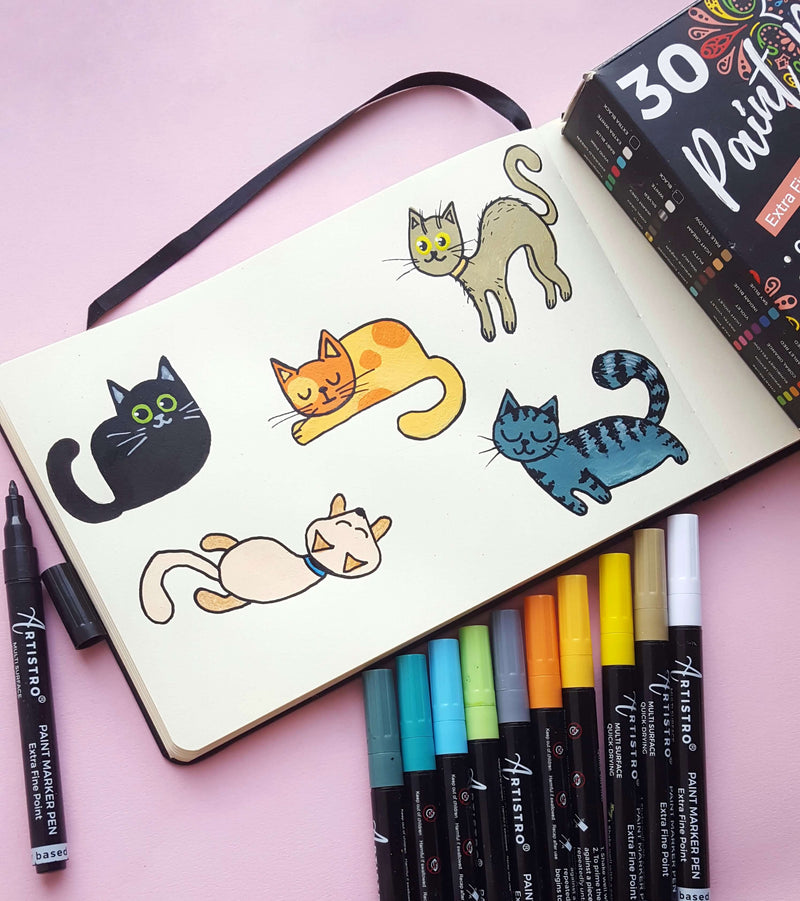
For a creative exercise, draw a small breakfast scene containing a cup, plate, toast, fruit, and spoon. Instead of focusing on complicated details, concentrate on how the objects overlap and fit together.
Small Doodles for Quick Drawing Sessions
You do not always need a large amount of time to practice. Doodles can be completed in a few minutes and are useful for filling notebooks, planners, journals, or sketchbooks.
Consider drawing stars, hearts, arrows, tiny plants, stars with faces, simple houses, musical notes, candles, keys, or little planets. Combining several small doodles can create a decorative border or themed page.
Easy things to draw become particularly useful when you turn them into repeated patterns. For example, sketch a small flower several times and arrange the flowers into a border. Repetition helps develop consistency while also producing an attractive finished design.
How to Make Beginner Drawings Look Better
You do not need complex techniques to improve a simple sketch. A few fundamentals can make a noticeable difference.
Start with light construction lines. These guidelines help establish proportions before you commit to darker outlines. Once the structure looks correct, refine the important contours and erase unnecessary marks.
Pay attention to light direction when adding shading. Choose one imaginary light source and keep the darker areas consistent. Even basic shading can make a flat object appear more three-dimensional.
You can also improve your drawings by varying line weight. Use slightly darker lines around important outer edges and lighter marks for small interior details. This creates visual depth without requiring advanced rendering skills.
A Simple Practice Routine for Beginners
A consistent routine is often more useful than trying to complete one complicated drawing. Set aside a short period and divide it into different exercises.
Begin with several basic shapes such as circles, squares, cylinders, and triangles. Then combine those shapes to create objects. Afterward, choose one subject and spend more time observing its proportions.
Keep older sketches instead of throwing them away. Looking back after several weeks can reveal improvements in line control, proportions, shading, and confidence.
You can also challenge yourself by drawing the same subject three ways: from memory, while observing the object, and from a reference picture. Comparing the results can help you understand where observation makes the biggest difference.
Digital Drawing Ideas for Beginners
Simple drawing practice is not limited to paper. Digital art applications provide useful tools such as layers, undo functions, brushes, shape tools, and color palettes.
Beginners can start with icons, simple characters, plants, geometric patterns, or small illustrations. Use separate layers for rough sketches and final outlines so that adjustments are easier.
When practicing easy things to draw digitally, avoid relying too heavily on automatic shape tools. Freehand practice remains important because it develops control that can transfer to many different artistic styles.
Ways to Turn Simple Sketches Into Finished Art
A basic drawing can become more interesting through small additions. A simple house can be placed inside a landscape, a flower can become part of a garden scene, and a single animal can be turned into a character with a setting and story.
Background elements should support the main subject rather than overwhelm it. Use simple shapes and limited details to maintain visual balance.
You can also experiment with different artistic styles. Try clean line art, cartoon drawing, minimalist sketches, colored-pencil illustrations, ink doodles, or soft pencil shading. The same subject can look completely different depending on your approach.
Conclusion
Learning to draw becomes easier when you begin with subjects that can be understood through simple shapes and manageable details. Nature, household objects, animals, food, characters, and doodles all provide useful opportunities to practice observation and artistic control.
The most effective approach is to focus on progress rather than perfection. Choose easy things to draw that genuinely interest you, practice them regularly, and gradually introduce shading, color, composition, and more complex forms. Over time, simple sketches can become the foundation for a personal drawing style and more ambitious artwork.